Crewing 5.0: Key Takeaways from the 4th CSN Mediterranean Crewing Conference in Athens
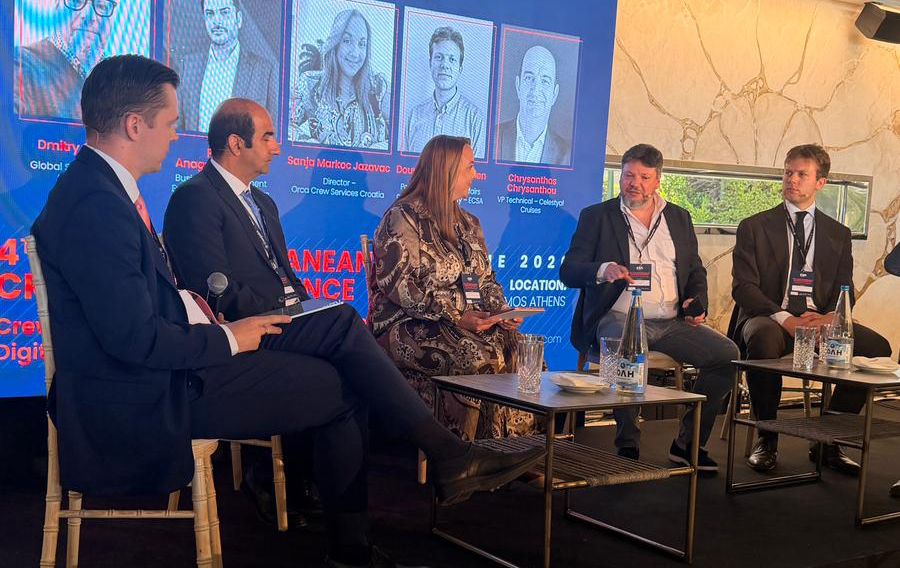
The maritime industry is standing at a critical crossroads where rapid technological evolution meets the irreplaceable value of human expertise. Last week, on June 25, 2026, global shipping leaders, shipowners, and crew managers gathered at the Ble Pavilion in Athens, Greece, for the 4th CSN Mediterranean Crewing Conference.
What is Crewing 5.0 in the Maritime Industry?
How is AI impacting maritime crew management?
The consensus in Athens was clear: technology is not here to replace the seafarer, but to empower them. Crewing 5.0 treats the seafarer not just as an operational asset, but as the central pillar of safety, compliance, and commercial success in an increasingly complex digital ecosystem.
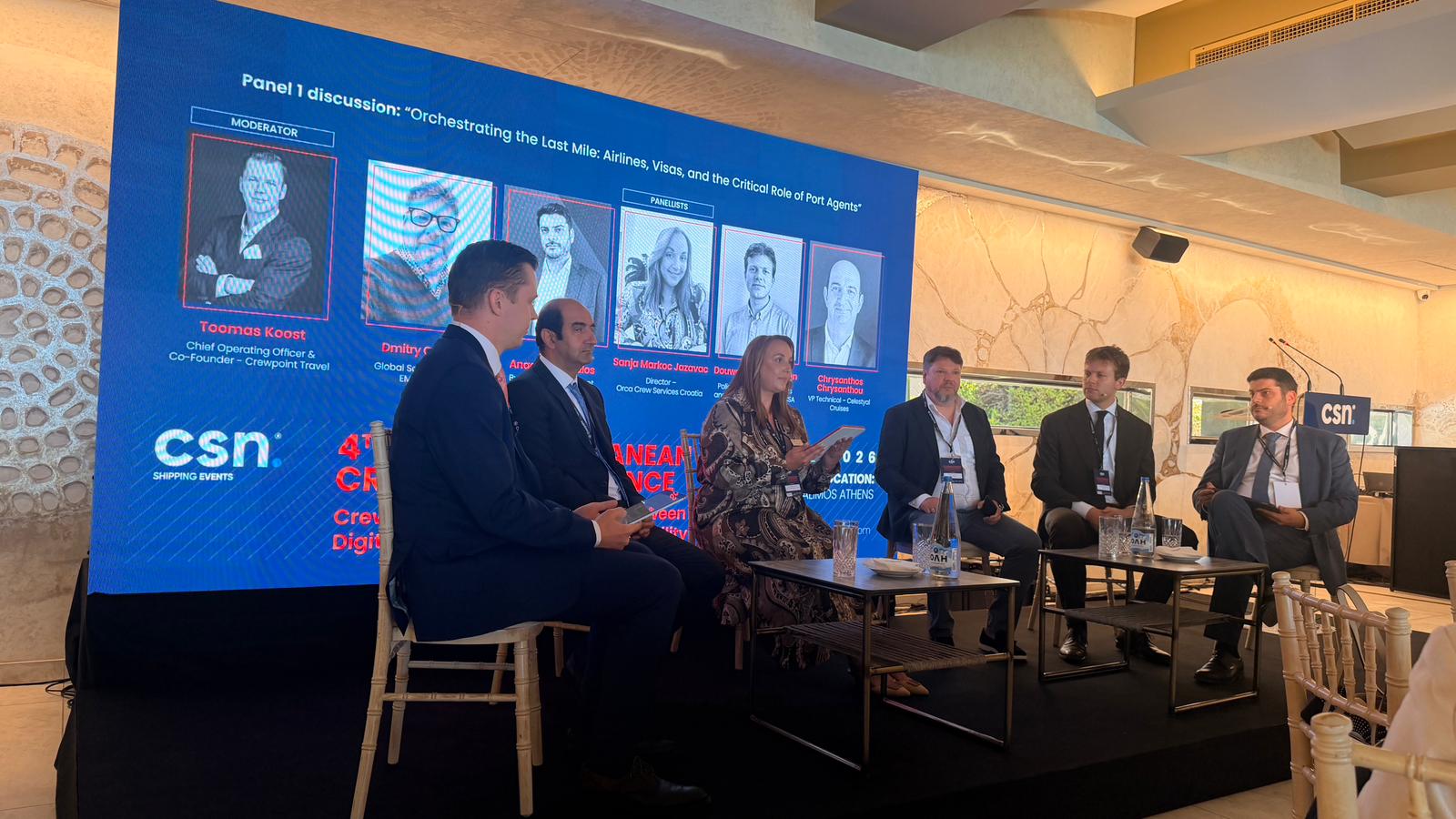
Key Takeaways from the 4th CSN Mediterranean Crewing Conference
1. Navigating the Complexities of Crew Logistics and Travel
One of the most heavily debated topics was the ongoing volatility in global crew logistics. Rising flight costs, shifting geopolitical landscape, and visa bureaucratic bottlenecks continue to plague "last-mile" crew changes. The industry is actively searching for smarter, predictive logistics software to streamline travel management and reduce the stress placed on seafarers before they even step on board.
2. The Rise of AI and Digital Efficiency in Crewing
Artificial Intelligence is no longer a future concept; it is actively transforming maritime operations in 2026. From automated certificate verification to predictive scheduling, digital tools are drastically reducing administrative burdens for onshore teams. However, speakers emphasized that the data generated by these systems is only as good as the human capability to interpret and execute it.
3. Crew Welfare as a Commercial Necessity: RightShip RISQ
A major shift highlighted at the conference is the transition of crew welfare from a "nice-to-have" HR initiative to a strict commercial requirement.
Bridging the Gap: How Maritime Trainer Empowers Crewing 5.0
We address the challenges of Crewing 5.0 through:
Next-Gen Digital Training Ecosystems:
Cloud-based learning management systems (LMS) that allow seafarers to train anytime, anywhere, reducing the lag time between shore-side updates and onboard execution.
Data-Driven Assessment Tools:
Utilizing advanced analytics to identify specific competency gaps before a crew member boards, ensuring human reliability under high-pressure scenarios.
Regulatory Compliance Integration:
Aligning our training matrices directly with evolving global standards like RightShip RISQ, helping shipowners prove their commitment to crew welfare and operational safety.
The Way Forward for Global Shipping
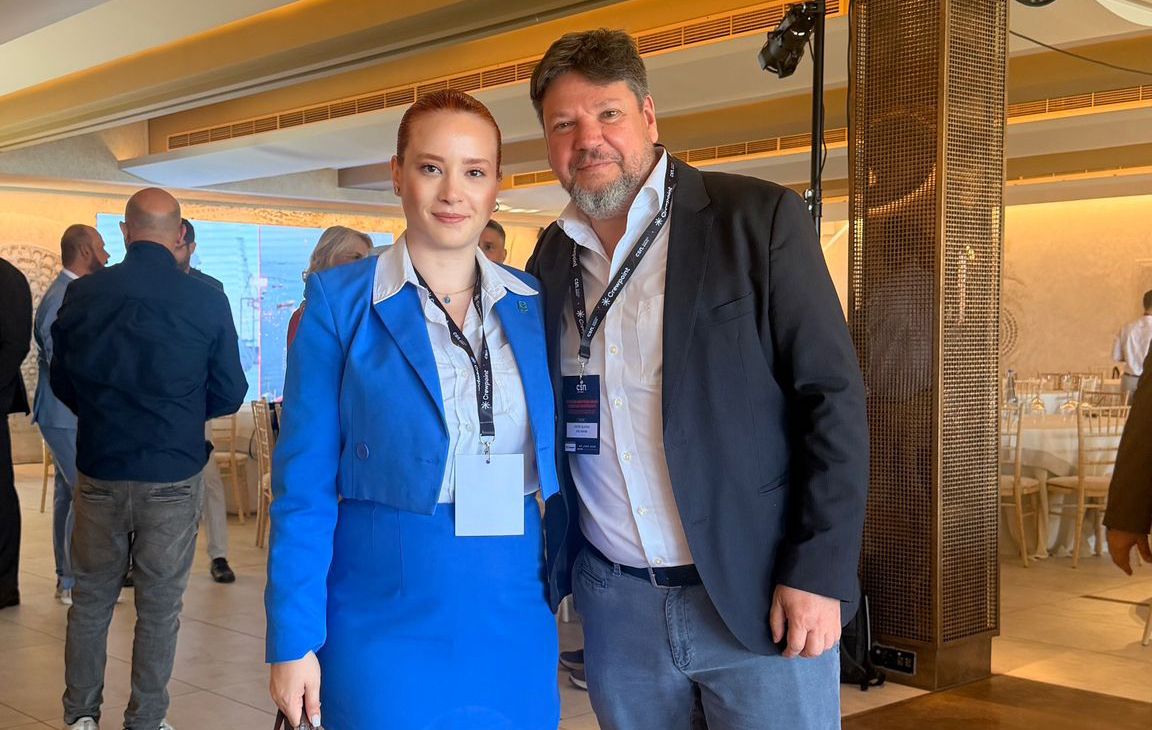
We want to extend our gratitude to Cyprus Shipping News (CSN) and all the industry stakeholders for organizing such a pivotal event. Maritime Trainer remains committed to leading the charge into the era of Crewing 5.0

Approved & Certified by Bureau Veritas
Flag
approved
We are proud to be member of