01
Limited global availability of green methanol, ammonia, and hydrogen at scale.
02
Tightening FuelEU Maritime and IMO mandates increasing operational costs.
03
High demand for green retrofits, eco-friendly vessel replacement, and carbon-neutral designs.
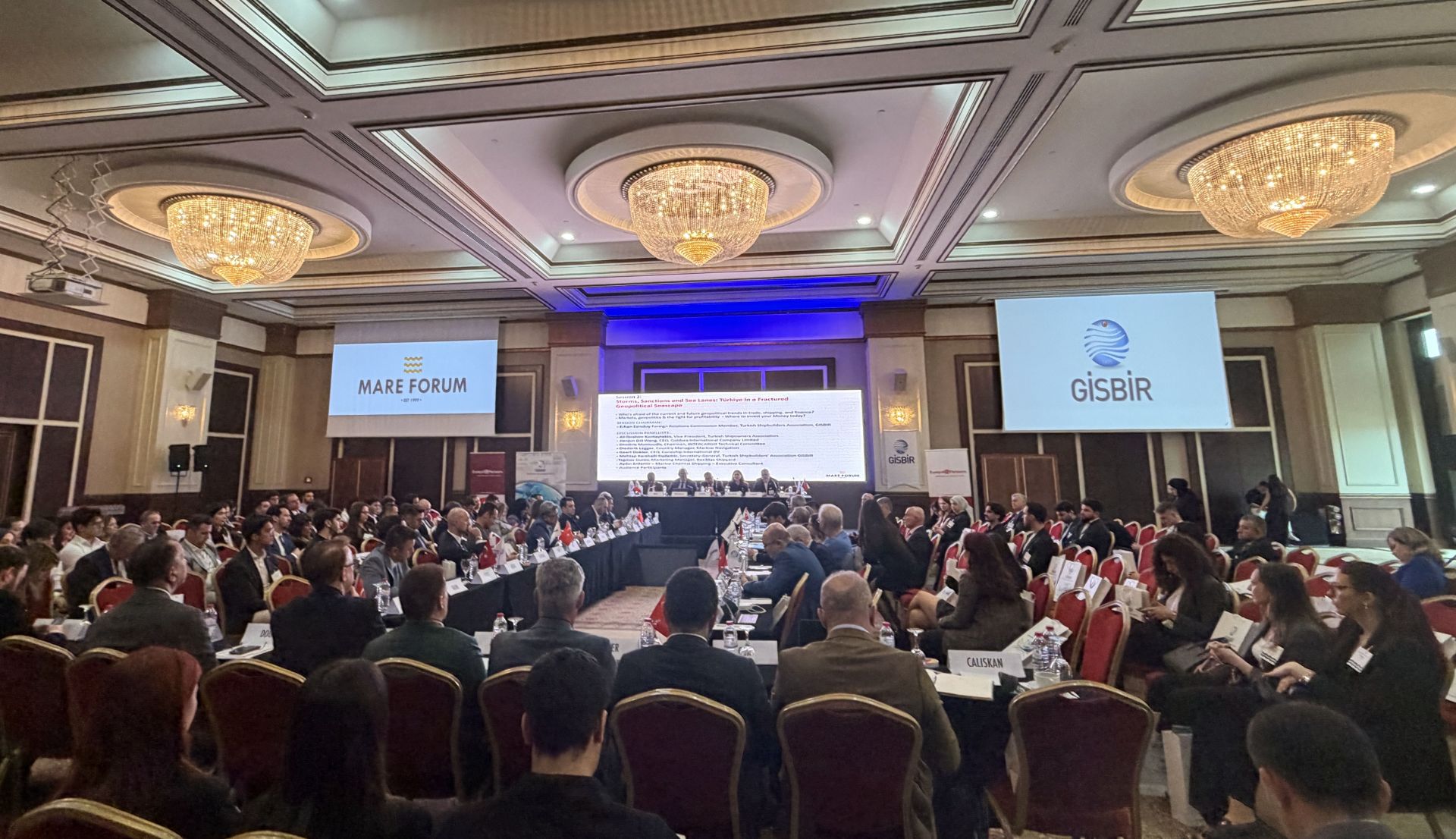
Türkiye is globally recognised as a market leader in specialised vessel construction, including tugs, fishing vessels, offshore support vessels, and hybrid/electric ferries. Session 4, chaired by
Rona Kaspi (Senior Partner at AKT Law Firm), provided a candid analysis of the commercial pressures facing Turkish shipyards.
The speakers systematically detailed the economic headwinds, such as managing wage inflation, rising labour costs, and local VAT rule updates. They further discussed the fierce competition coming from established European yards in Norway, the Netherlands, and Spain, as well as Asian shipbuilders. To counter this, the panel suggested accelerating R&D, automation, robotisation, and securing innovative project financing models to sustain Turkey's high-value niche market share.
Chaired by
Chris Vartzis (Partner at Stephenson Harwood), the fifth session addressed fleet growth. The discussion focused on how Turkish shipowners can successfully expand their order books with modern, eco-compliant tonnage.
The experts present identified green finance mechanisms and alternative investment structures as the primary solutions to overcome traditional capital bottlenecks. They stated that resolving these financing issues is key to strengthening Türkiye's status as a premier regional logistics hub connecting Europe, Asia, and the Middle East.
The final technical session, moderated by Associate Professor Ziya Saydam (Piri Reis University), explored how digitalisation is redefining operational excellence in shipping.
MARITIME DIGITAL ARCHITECTURE
AI & BIG DATA
Voyage optimisation & predictive maintenance
CYBER RESILIENCE
Securing connected onboard systems
SMART PORTS
Blockchain tracking & automated logistics
The panel highlighted that the return on investment (ROI) for digital shipping technologies is rapidly increasing. The speakers concluded that by upgrading Turkish ports into automated, cyber-resilient logistics hubs and investing in the digital upskilling of the maritime workforce, the region is unlocking massive entrepreneurship and startup potential.