From Data to Trust: Redefining Maritime Safety Through Transparency and Collaboration RightShip

May 11 / Maritime Trainer

As the maritime industry navigates a period of increasing complexity and rapid digitalisation, the definition of safety is undergoing a fundamental transformation.
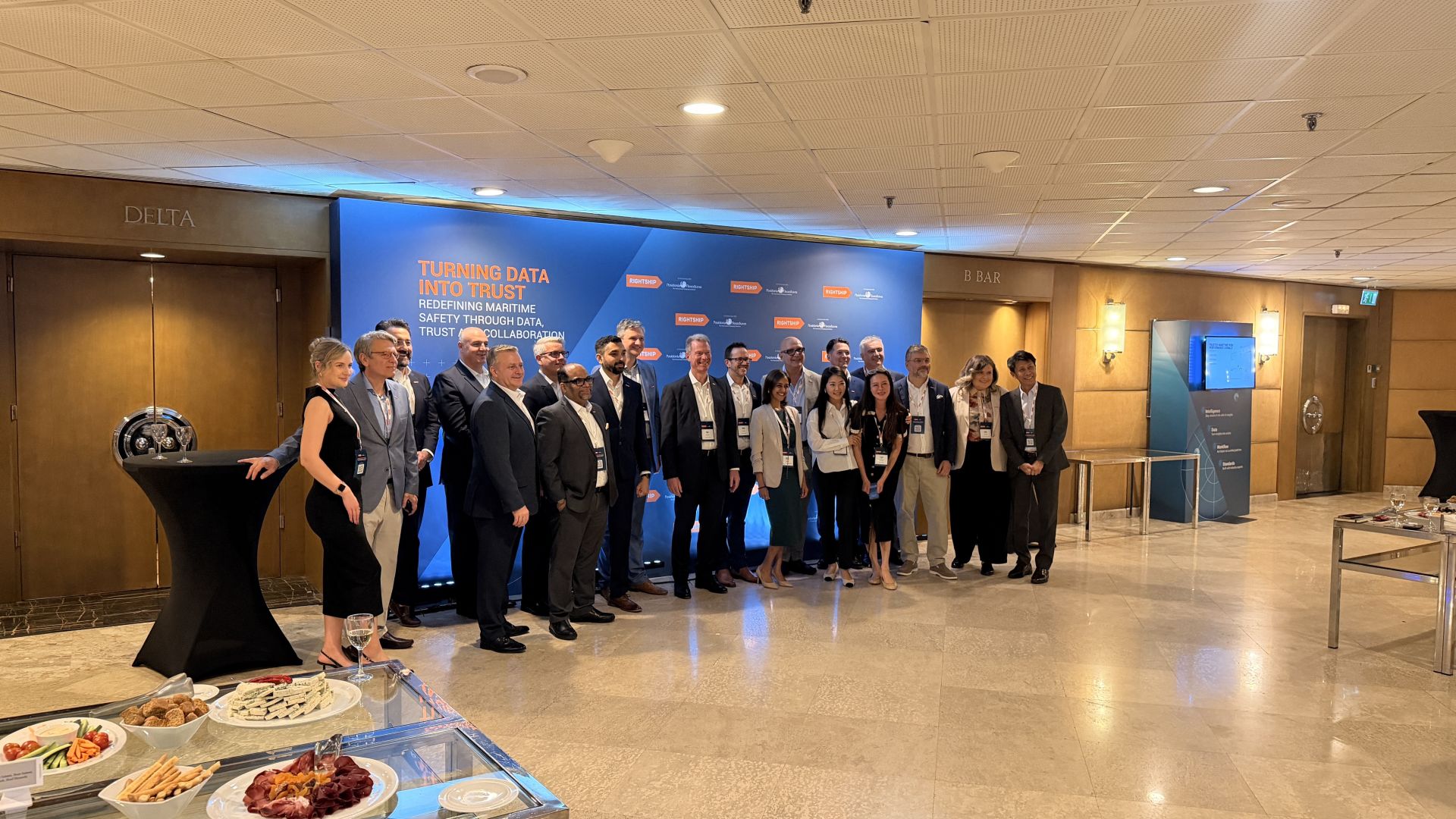
RightShip’s inaugural forum in Athens, "Redefining Maritime Safety Through Data, Trust, and Action" brought together global leaders, innovators, and changemakers to chart a course for this evolution. The discussions highlighted a critical truth: simply collecting data is no longer sufficient; this data must be converted into trust and tangible action.

The Three Pillars of the Forum

Throughout the event, deliberations were centred around three core themes that are defining the future of the modern maritime ecosystem:

Smarter Risk Management

Moving from static, compliance-led processes to dynamic, AI-enabled decision-making powered by real-time data.

Safety, Sustainability, and Crew Welfare

Viewing these concepts not merely as ethical responsibilities, but as core business drivers that enhance operational excellence and commercial performance.

Making Data Actionable

Ensuring data quality and standardisation across the supply chain to turn raw information into trusted, decision-ready intelligence.

Key Panel Highlights and Discussions

1

The Evolution of Risk Management and Artificial Intelligence

A major point of discussion was the lag between data collection and consistent action. The integration of technology—specifically Artificial Intelligence (AI)—into inspection workflows and severity scoring is set to make risk management more proactive. It was emphasised that organisations must pivot from mere compliance to a culture of transparency and high performance.

2

The Human Element: Crew Welfare in a Data-Driven World

The gap between seafarer expectations and industry delivery is being bridged through enhanced feedback mechanisms. A central theme of the "Zero Harm" objective was how to use digital solutions to improve safety and living standards without adding unnecessary operational burden to the crew.
3

 Energy Efficiency as a Business Case

The forum demonstrated that lower emissions are not just an environmental imperative but a robust "business case" that supports cost control and reliability. The adoption of energy-saving technologies proves that sustainability and profitability are increasingly intertwined.

 Conclusion: The Future of the Maritime Ecosystem
The future of the maritime world belongs to those who can accurately interpret data, foster transparency as a corporate culture, and keep the human element (the crew) at the heart of their operations.

RightShip’s 2026 roadmap
aims to lead this change with more consistent, user-friendly, and technology-integrated inspection models.