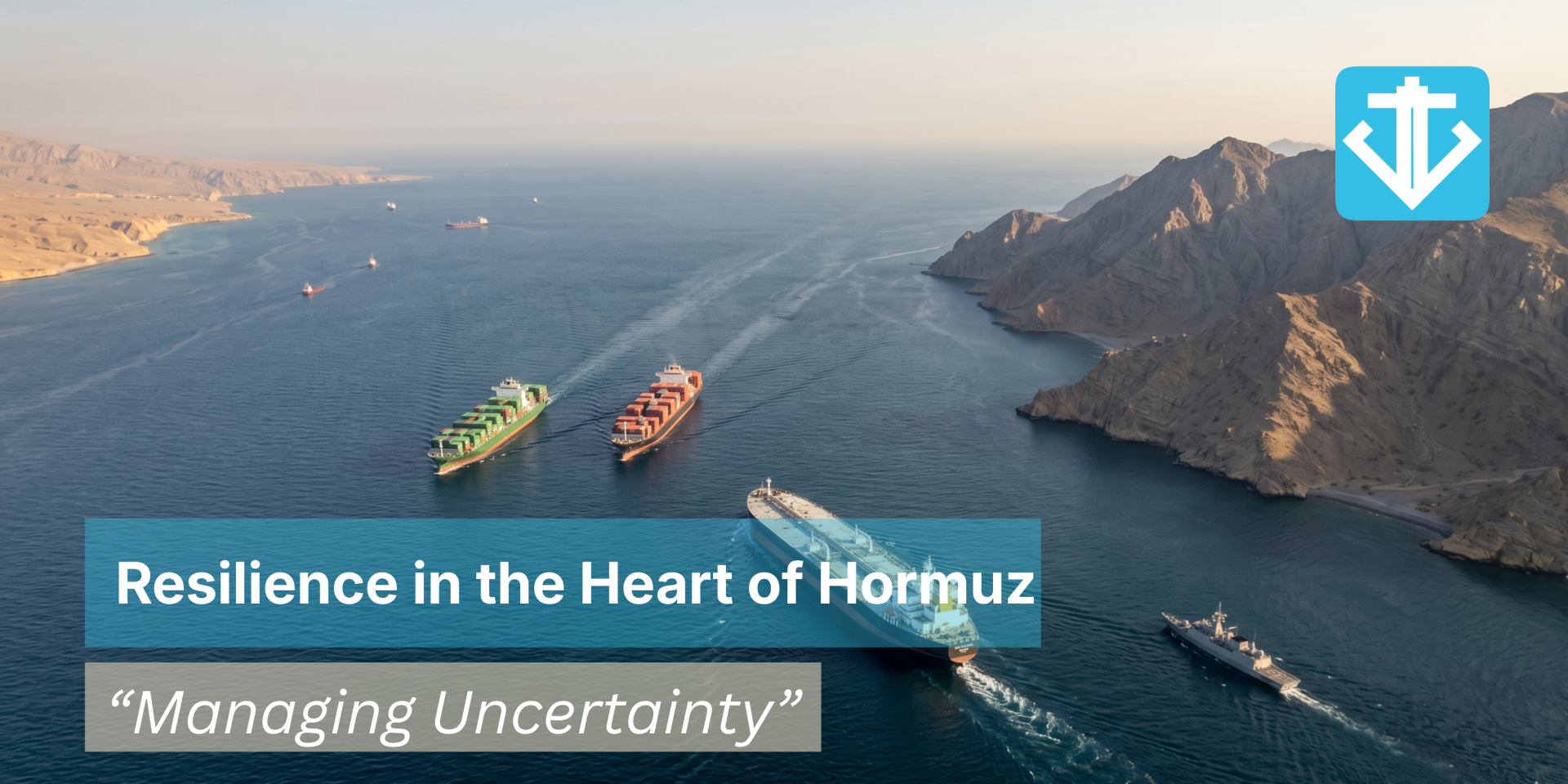
Resilience in the Heart of Hormuz: Managing Uncertainty

Apr 29 / Maritime Trainer

Seafaring is built on a culture of toughness. But today, being stuck in "grey zone" conflict areas like the Strait of Hormuz is more than a physical test—it is a test of Psychological Resilience.

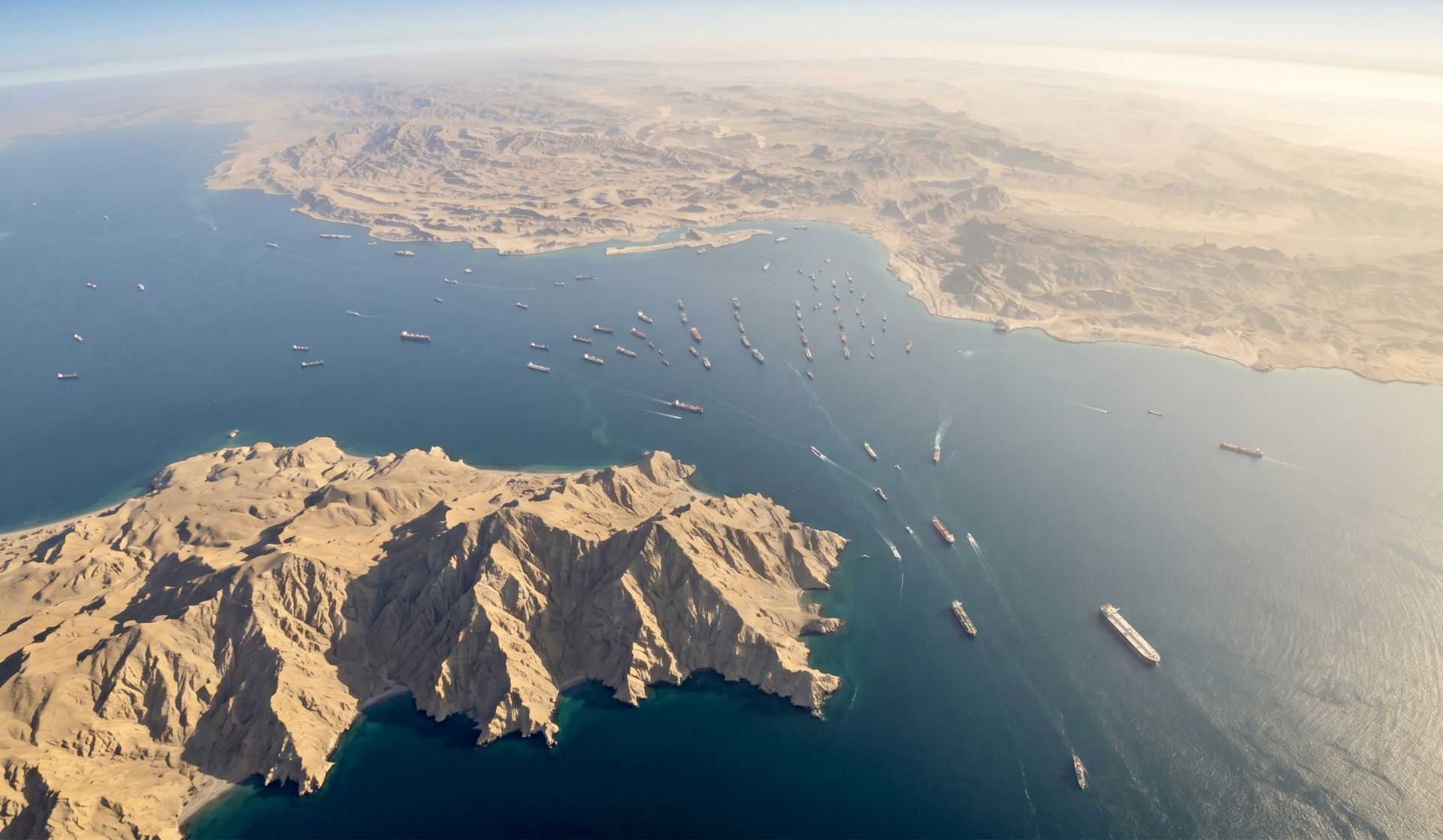
Between the intense heat of the Gulf and the uncertain waters of the Arabian Sea, thousands of seafarers are waiting on their ships. For them, the world is now just a steel deck a few hundred metres long. So, how do you keep your mental balance when the "finish line" of your contract keeps moving or, facing a threat that has no clear end date?

When Time Stands Still: The Psychology of Being Stranded

Waiting in Hormuz isn’t just a physical delay; it’s a state of "mental limbo." These massive vessels are the engines of global trade, and they aren't built to stand still.

The "Homecoming" Mirage:

For many crew members, the most painful blow is the extension of stay. Many were at the end of their contracts, bags packed and spirits high, ready to reunite with their families. That joy has been replaced by the crushing weight of indefinite waiting.

Spatial Confinement:

On both sides of the Strait, the hope of going ashore is delayed indefinitely. This isolation hits a person’s basic need for freedom and belonging.

Hypervigilance:

Constant news of incidents, sudden course changes, and "stay on standby" orders keep the mind on high alert. This prevents the brain from entering a state of true rest.

The Pressure of a Potential Raid

For the crew, the heaviest burden isn't always a direct kinetic danger; it’s the chronic stress of anticipation.

The Constant Threat: 

The sound of a helicopter or a fast boat in the distance can turn a routine watch into a security crisis in seconds. This "high alert" mode keeps the body’s cortisol and adrenaline peaked, which is the primary driver of maritime burnout.

 Increasing Family Anxiety: 

Every extra day spent in a conflict zone is an extra day of worry for families back home. Managing one's own fear is hard enough; managing the fear of a spouse or parent via a satellite phone call adds a layer of emotional exhaustion that is difficult to sustain.

Resilience: Staying Strong Amidst the Chaos

This is where resilience stops being a "nice-to-have" and becomes a survival tool. Resilience in this situation isn't just about "putting up with it"—it’s about finding balance in the middle of a crisis.

Emotional Agility: 

A resilient seafarer acknowledges the fear and the frustration of the delayed sign-off. Instead of letting panic take the wheel, they use daily routines as "anchors." A routine engine check or deck maintenance keeps the mind in the "here and now."

Collective Strength: 

Resilience on a ship is contagious. If the Master stays calm and acknowledges the crew's frustration, the cook feels it too. The crew stops being just workmates and becomes a peer-support network.

Finding Meaning: 

Even in the toughest spots, remembering that you are the lifeline of global energy and goods provides a "why." When you have a "why," you can survive almost any "how."

The Bottom Line: Human Strength

The crisis in the Strait of Hormuz is more than just geopolitics. It’s a story of human will and patience.


Real resilience isn't about waiting for the storm to end; it’s about knowing how to steer the ship and protect your mind while the storm is raging. Every seafarer stuck in Hormuz is giving us a quiet but powerful lesson in staying strong.

Professional Support 

 If you want to help your crew manage uncertainty, navigate the stress of contract extensions, and stay sharp under pressure, check out our 11-module "Resilience" Programme.

Our curriculum features strategic methods developed by psychology, maritime, and crisis experts specifically for the unique challenges of life at sea.