SMM Hamburg 2026: What the World's Biggest Maritime Show Means for Crew Training and Welfare
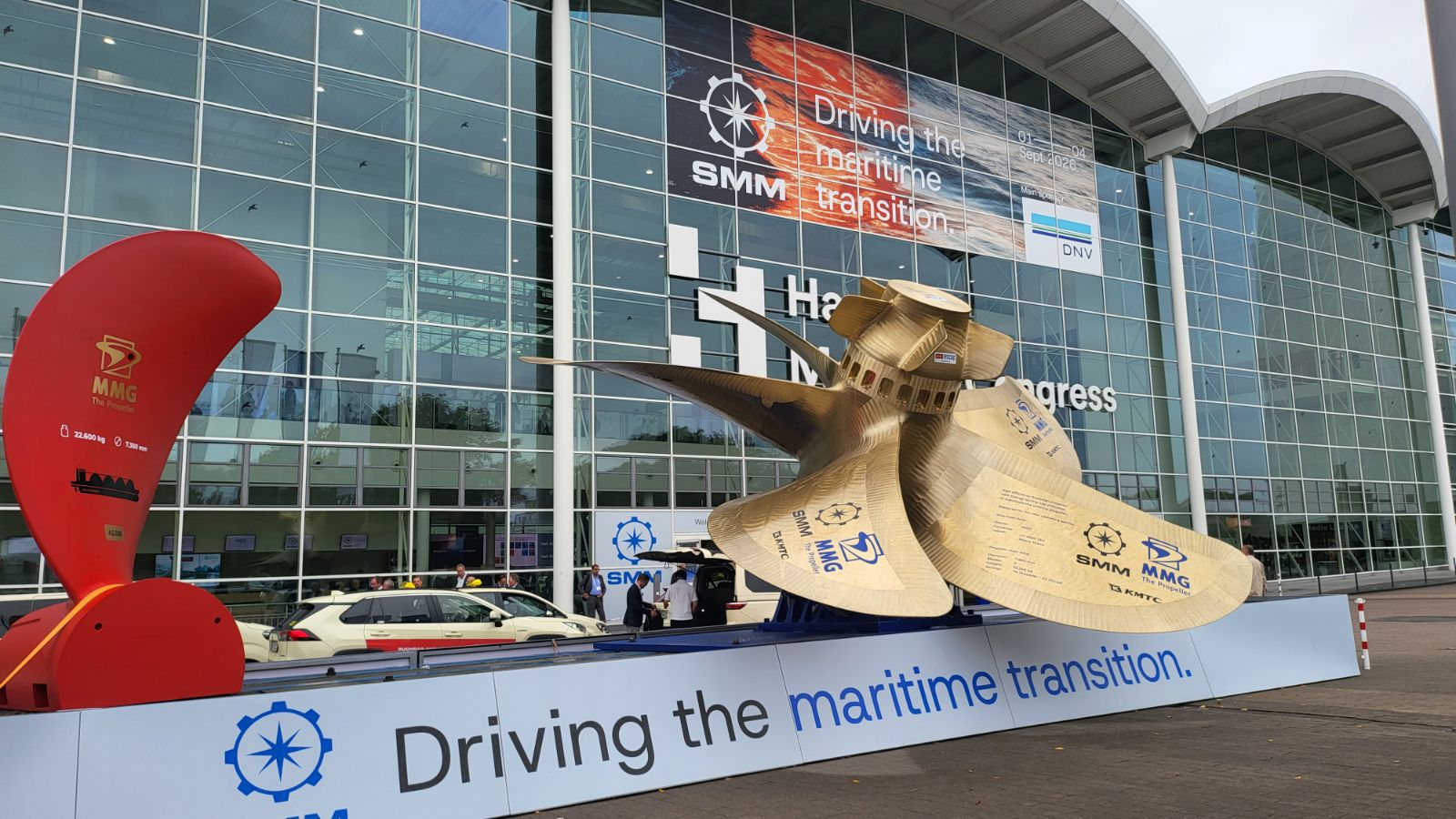
Every two years, Hamburg becomes the maritime world's meeting point. SMM 2026 — held from 1 to 4 September under the theme “driving the maritime transition” — closed with record attendance and a clear message: security, technology and people are now discussed together, not as separate agendas.
For Maritime Trainer, that last point mattered most. Behind every panel on AI or maritime security was the same underlying question: who is trained, supported and ready to do this work safely?
This is our recap through that lens — training, crew welfare and crew management.
How Big Was SMM 2026?
EXHIBITING COMPANIES
COUNTRIES
Exhibitors filled more than 90,000 square metres across twelve exhibition halls, with over 70% of companies travelling from outside Germany. For the first time, India, Cyprus and Brazil each had their own national pavilion.
What Changed at SMM 2026?
Security and resilience moved to the centre of the agenda this year, without decarbonisation or digitalisation losing urgency. The new NavalHall B8 hosted the MS&D Conference & Expo and the Naval Stage for the first time, while AI conversations shifted from theoretical potential to ready-to-deploy applications such as collision avoidance and predictive maintenance. Underneath both shifts sits the same workforce question: how do you get people ready fast enough to keep up?
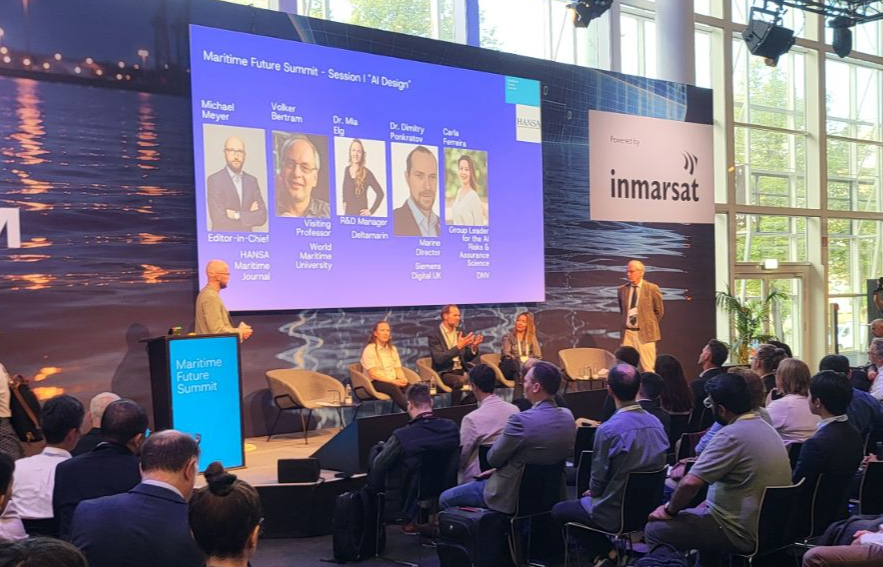
Why Is Maritime Security Also a Crew Welfare Issue?
Yes — the same discussions that put unmanned systems and cybersecurity on stage this year also put the safety of the people on board back on the agenda. Opening SMM 2026, IMO Secretary-General Arsenio Dominguez made the connection explicit.
"Secure sea lanes are essential for global trade, but first and foremost this is about protecting people. Seafarers must be able to do their jobs without risking their lives."
For crew management
teams, that translates into concrete priorities: crisis-response and
security-awareness training for crews transiting higher-risk waters, clear
protocols for reporting incidents, and mental health and welfare support for
seafarers operating under greater strain. A security agenda that stops at
technology and skips the people who operate it is an incomplete one.
What Does AI Adoption Mean for Crew Workload and Training?
The Maritime Future
Summit added an important welfare-adjacent caveat: the goal isn't integrating
AI into every process on board, but finding the specific “sweet spots” where it
reduces workload and risk rather than adding a new layer of systems for crews
to monitor. For crew management, that means training programmes need to cover
not just how AI tools work, but when to trust them, when to override them, and
how responsibility is documented — all directly tied to fatigue management and
safe manning.
How Is the Industry Trying to Attract and Retain Seafarers?
-
Recruitment messaging increasingly leads with career development and work-life balance, not just technical job content.
-
On-the-job training pathways are being positioned as a retention tool, not just an onboarding requirement.
-
As the industry becomes “more sustainable, more digital, and more closely connected with fields such as renewable energy” (SMM's own framing), the skills — and the welfare support — crews need to keep expanding.
retention starts with how well a seafarer's early training, workload and support experience match what they were promised at recruitment.
What Does This Mean for Digital Human Capital Management?
Faster technology adoption means training content has to be updated continuously, not refreshed once a year.
AI-assisted operations shift required skills from manual execution toward oversight, verification and exception-handling.
A renewed security agenda puts crisis-response training and seafarer welfare support back on the HSQE priority list.
Retention pressure makes visible, trackable career and training pathways a competitive advantage, not just a compliance record.
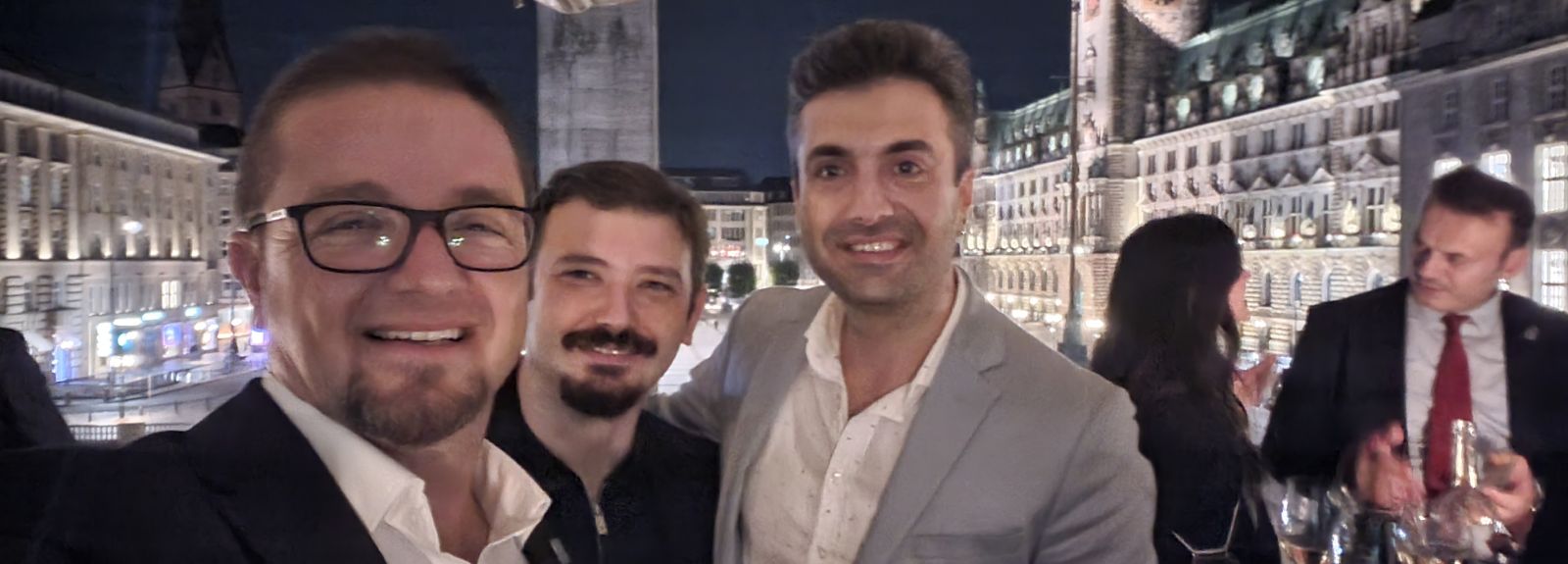
Maritime Trainer at SMM Hamburg 2026
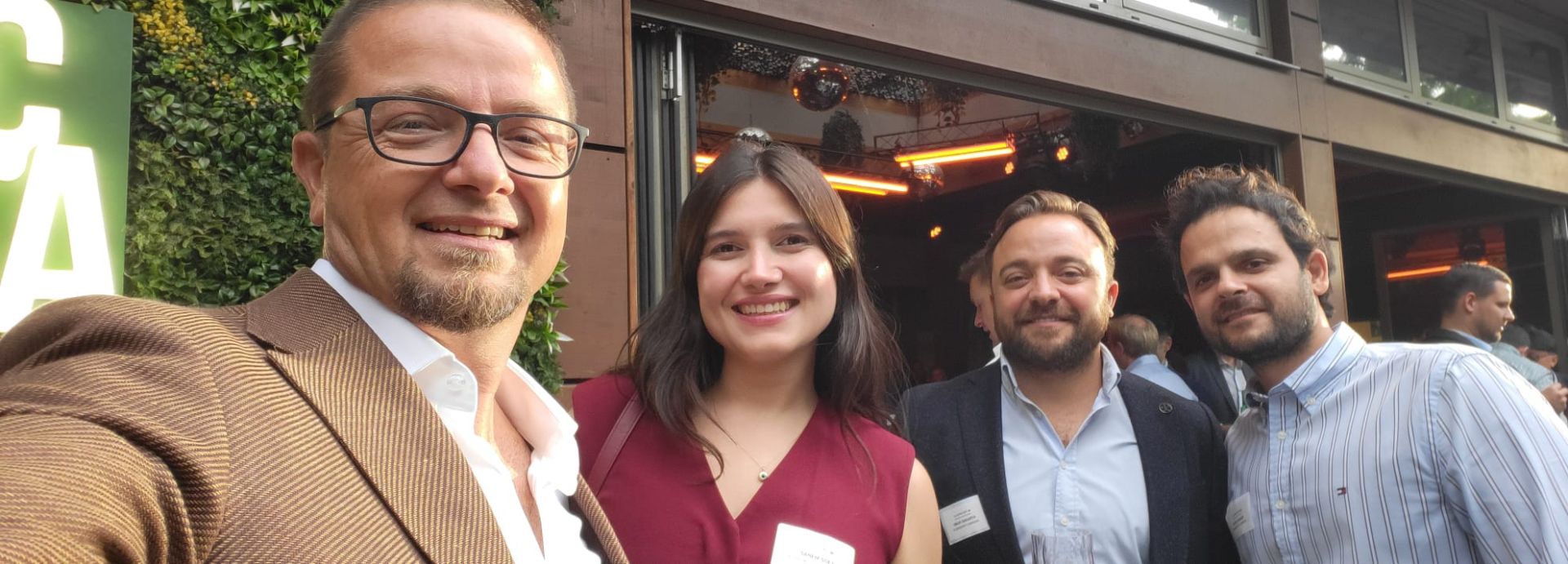
V.Ships
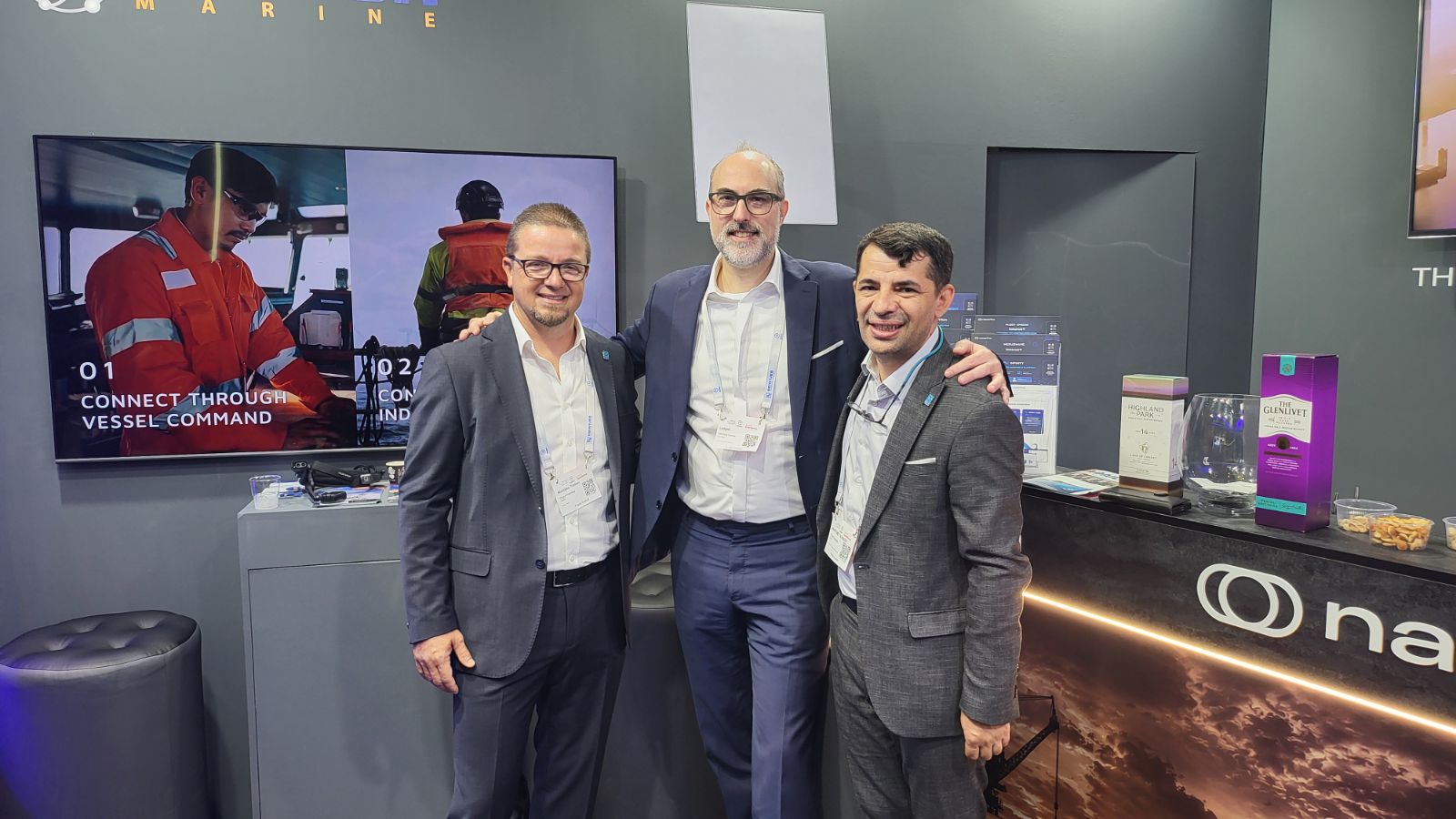
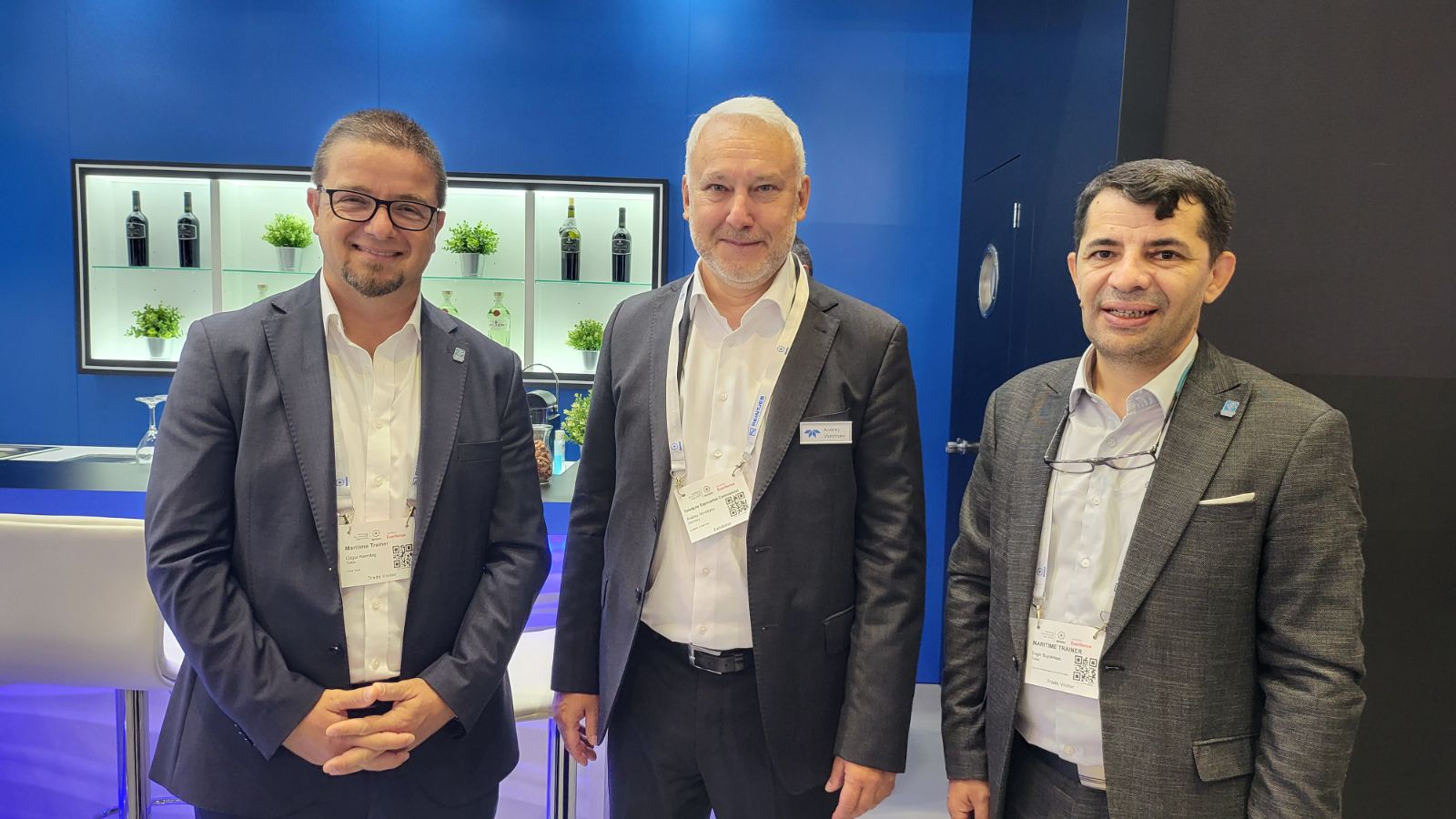
Discussing crew competency, training pathways and welfare support with one of the industry's largest ship management groups.
Teledyne
Exploring how emerging marine technology intersects with the training and certification needs of the crews who operate it.
GISBIR (Turkish Shipbuilders' Association)
Connecting with the Turkish maritime cluster on shared priorities for workforce development.
Oldendorff Carriers
Exchanging views on crew management and training standards with one of the world's leading dry bulk operators.
Looking Ahead
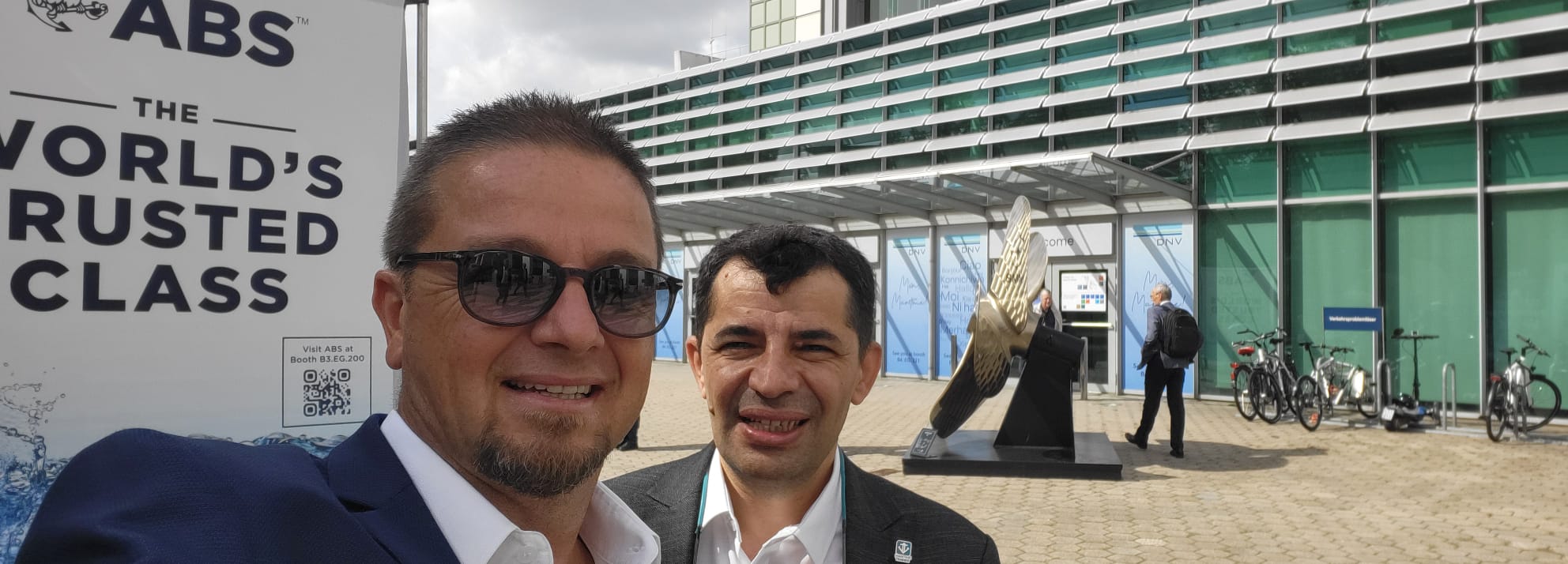
SMM Hamburg will return from 5 to 8 September 2028, with maritime security and defence already confirmed as a growing focus — the next MS&D Conference & Expo takes place in Hamburg on 8–9 December 2027. At Maritime Trainer, we'll keep tracking what these shifts mean in practice: training, welfare and crew management that keep pace with an industry that, by its own account, is not standing still.

Approved & Certified by Bureau Veritas
Flag
approved
We are proud to be member of