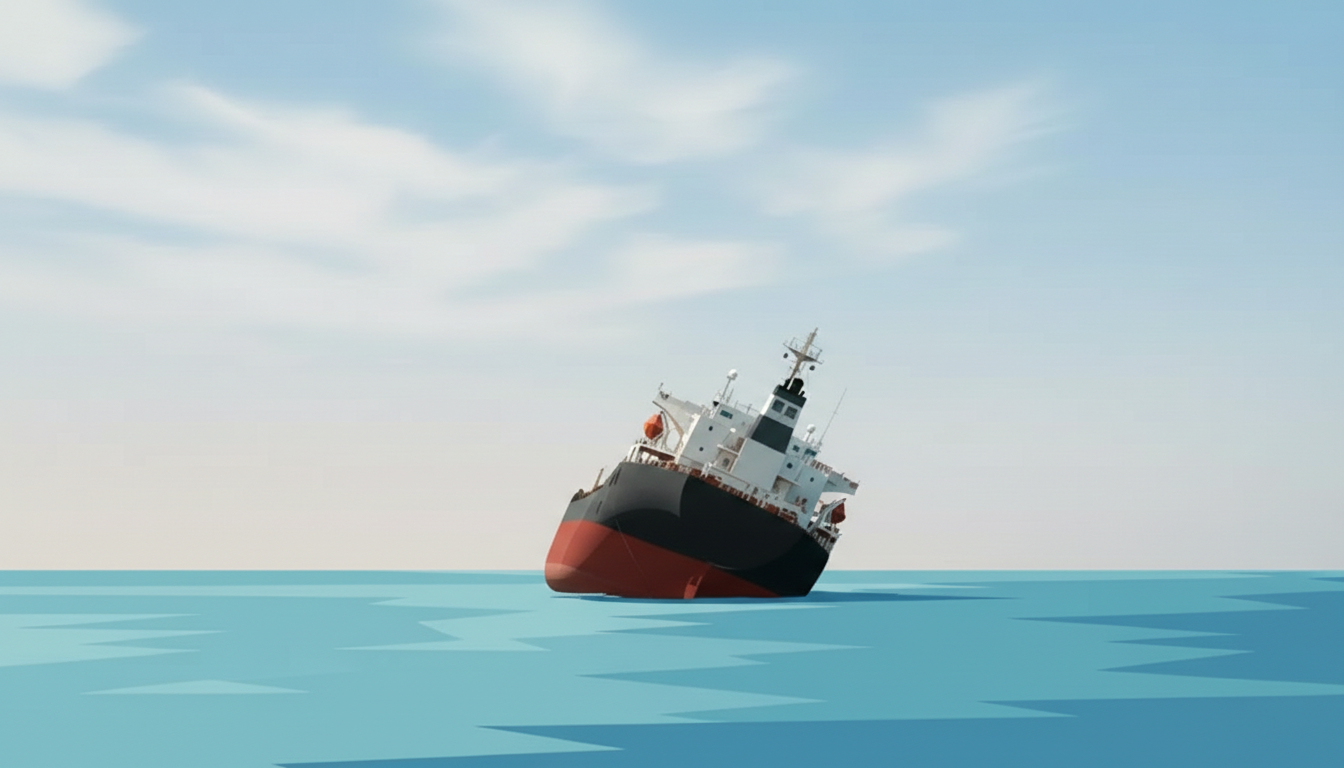
Fine-grained cargoes, such as nickel ore, bauxite, and certain coal types, inherently contain moisture. During a voyage, the ship’s vibrations and cyclic wave motions cause the water pressure within the cargo to rise. This process, known as liquefaction, forces the moisture to the surface, turning the cargo into a viscous slurry. Once liquefied, the cargo can shift freely within the hold—a phenomenon called the "Free Surface Effect." This creates a massive shift in the ship's center of gravity, often leading to a sudden loss of stability (metacentric height) and, in the worst cases, rapid capsizing.
The International Maritime Solid Bulk Cargoes (IMSBC) Code is the primary regulatory framework designed to mitigate these risks. It categorizes hazardous cargoes like nickel ore under Group A (cargoes that may liquefy).
Adherence to the IMSBC Code is mandatory and critical. Key safety measures include:
-
TML (Transportable Moisture Limit): Determining the maximum moisture content deemed safe for carriage.
-
Moisture Content Testing: Strict pre-loading tests to ensure the cargo's actual moisture is below the TML.
-
Accurate Declaration: Preventing the "misdeclaration" of cargo, which remains a leading cause of maritime casualties.
Understanding the chemical and physical properties of your cargo is the most vital safety skill. Most maritime accidents stem from a failure to recognize the early warning signs of cargo instability or a lack of familiarity with international safety protocols.
At Maritime Trainer, we provide cutting-edge digital learning solutions tailored for both individual seafarers looking to advance their careers and ship management companies aiming for
"zero-incident" operations. Our
1156-International Maritime Solid Bulk Cargoes (IMSBC) Code course is an essential pillar for those handling hazardous cargoes. By enrolling in this program, you gain expertise in:
Cargo Physics & Hazards
Identifying the hazards associated with the shipment of solid bulk cargoes and explaining the potential consequences of these hazards. Understanding the behavior of liquefied and hazardous cargoes.
Emergency Response
Developing the reflexes to manage, stability issues, and fire hazards.
Regulatory Compliance
Practical application of the IMSBC Code.
Technical Proficiency:
Understanding the classification of solid bulk cargoes into Groups A, B, and C based on their properties and potential risks. Identifying the procedures for handling cargo residues and cargo hold washings, including the designation of Harmful to the Marine Environment (HME) cargoes and the reporting of inadequate port reception facilities. Defining the Safe loading and transfer procedures.