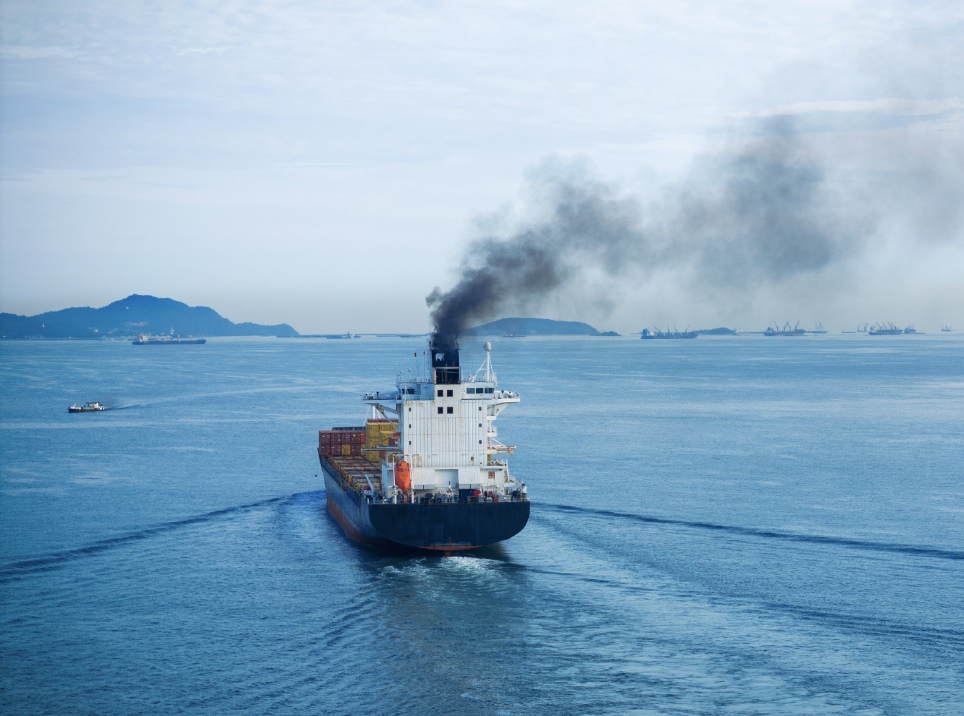
As of March 1, 2026, the Canadian Arctic and the Norwegian Sea have officially been designated as Emission Control Areas (ECAs) under MARPOL Annex VI. Ships operating in these regions must now comply with a strict 0.10% sulphur limit in fuel oil and meet enhanced nitrogen oxide (NOx) standards. These measures are expected to significantly reduce haze, improve visibility, and lower the risk of maritime accidents while protecting fragile ecosystems.
A major step toward global cooperation was taken at the IMO Headquarters with the signing of an updated data-exchange agreement between the IMO and the Paris MoU. This agreement facilitates the sharing of full ship inspection data, supporting harmonization across the ten global PSC regimes and improving compliance monitoring worldwide.
The latest Cadet Report, titled "The First Digital Seafarer Generation," reveals how the newest maritime recruits are transforming the workforce. While 70% of Gen Z seafarers spend more than three hours online daily, the report highlights new pressures, such as the need to appear successful on social media and the growing importance of peer support for mental wellbeing at sea.
The Liberian Registry is set to introduce electronic seafarer documents to streamline administrative processes. By utilizing QR-coded credentials and the new SEA360 app, the registry aims to reduce the risk of fraudulent documents and minimize delays during vessel inspections.
New guidance from NorthStandard provides practical measures for managing fertilizer cargoes. Understanding the distinction between compaction (reversible) and caking (often irreversible due to moisture) is critical for preventing commercial claims and ensuring cargo remains fit for use.
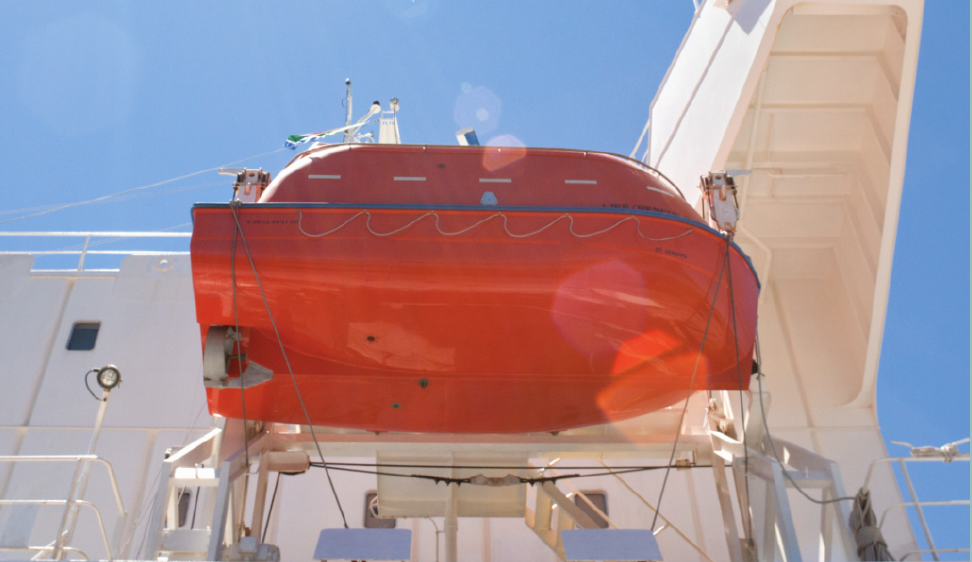
The IMO SSE Sub-Committee has progressed amendments to the LSA Code, requiring partially enclosed lifeboats installed after January 1, 2032, to maintain CO2 concentrations below 5,000 ppm. Compliance can be achieved through ventilation systems providing 5 m3 / h per person or specific ventilation openings
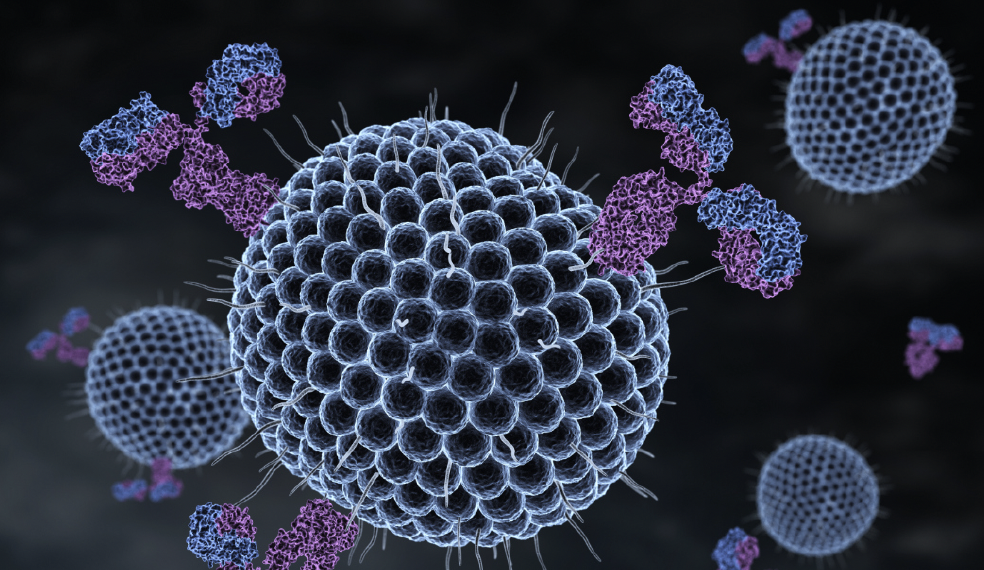
Health authorities report a surge in Mpox cases in Brazil, with over 80 confirmed cases predominantly affecting men. Crew members are advised to maintain strict hygiene protocols, limit contact with suspected cases, and use appropriate personal protective equipment (PPE).
Our analysis of recent incidents provides critical reminders for every crew member:
A recent injury incident serves as a reminder to periodically verify the "latch speed" of fire doors and incorporate these checks into the Planned Maintenance System (PMS).
A cargo hold fire likely caused by undischarged batteries emphasizes the need for rigorous cargo screening and close coordination with shore-side firefighting teams.
At Maritime Trainer, we continue to launch targeted training solutions to bridge the skills gap:
Empty space, drag to resize