Jul 31 / Maritime Trainer

August 2026 Maritime Review: Key Industry Updates, Safety Lessons & Future Outlook

As we move through August 2026, the maritime industry continues to navigate a complex landscape of workforce challenges, environmental urgency, and stringent compliance requirements. Staying ahead of these changes is the cornerstone of operational readiness, competitiveness, and crew safety. In this month's review, we bring you the most critical updates from global workforce studies, major environmental initiatives, and essential safety lessons learned from recent incidents across the globe.


Officer Shortage Deepens as Seafarer Demand Jumps 35%

A 22% rise in officer supply since 2021 was not enough to match demand growth, according to the latest Bimco-ICS workforce study. The Seafarer Workforce Report 2026 estimates a shortage of 39,100 STCW-certified officers. Overall demand for seafarers rose by 35% over the last five years, driven by fleet growth and post-pandemic recovery. Without continued investment in recruitment, maritime education, and retaining the existing workforce, the talent gap risks growing at a critical time for the industry.

Cargo Securing in Focus: Preparing for the 2026 PSC CIC
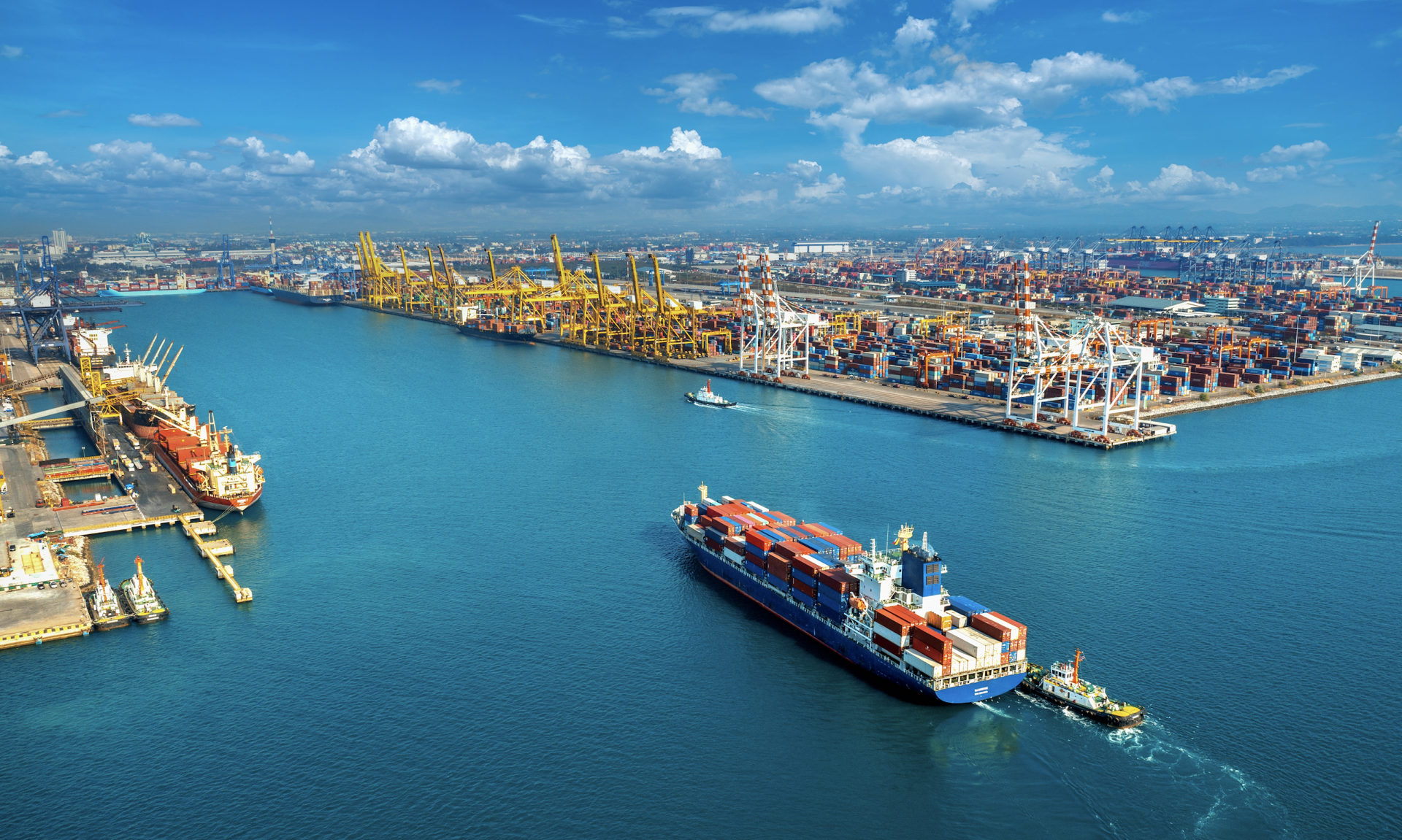
From September 1 to November 30, 2026, the Paris and Tokyo Memoranda of Understanding (MoUs) on Port State Control will conduct a joint Concentrated Inspection Campaign (CIC) focusing on cargo securing. Shortcomings in cargo securing often reflect wider operational risks that can lead to P&I claims. Operators are strongly advised to ensure their Cargo Securing Manuals (CSM) are vessel-specific, up-to-date, and fully understood by the crew to prevent deficiencies.

Beyond the Screen: The Psychosocial Cost of Always Being Online
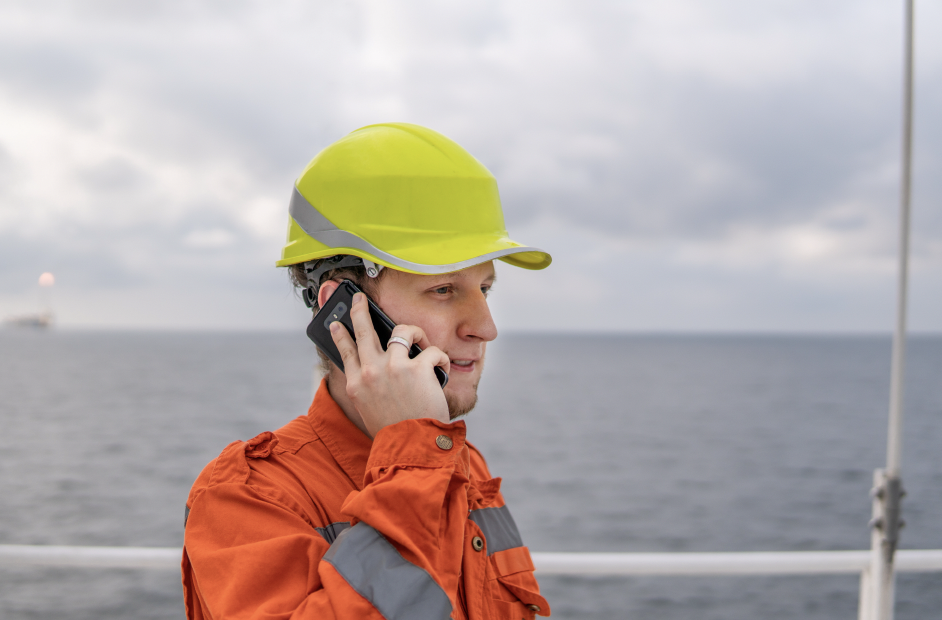
Technology helps reduce the isolation of long voyages, but constant connectivity brings fresh emotional pressures. Endless scrolling and binge-watching during rest periods contribute to digital fatigue and reduced alertness. Furthermore, constant access to family issues or global events without the ability to intervene can increase anxiety. A recent study found that seafarers spending the longest periods online during off-duty hours were more than two-and-a-half times more likely to experience anxiety problems.

Ocean Surface Temperatures Are Setting New Records Again

Amidst record-setting heatwaves, the EU-sponsored Copernicus Marine Service has reported a new record global sea surface temperature, marking 2026 as the third year in the last four to pass this threshold. Driven by El Niño conditions in the Pacific, these soaring temperatures affect weather patterns worldwide and stand as a robust indicator of the changing climate system.

IMO Revises Guidelines on Safety During Abandon Ship Drills
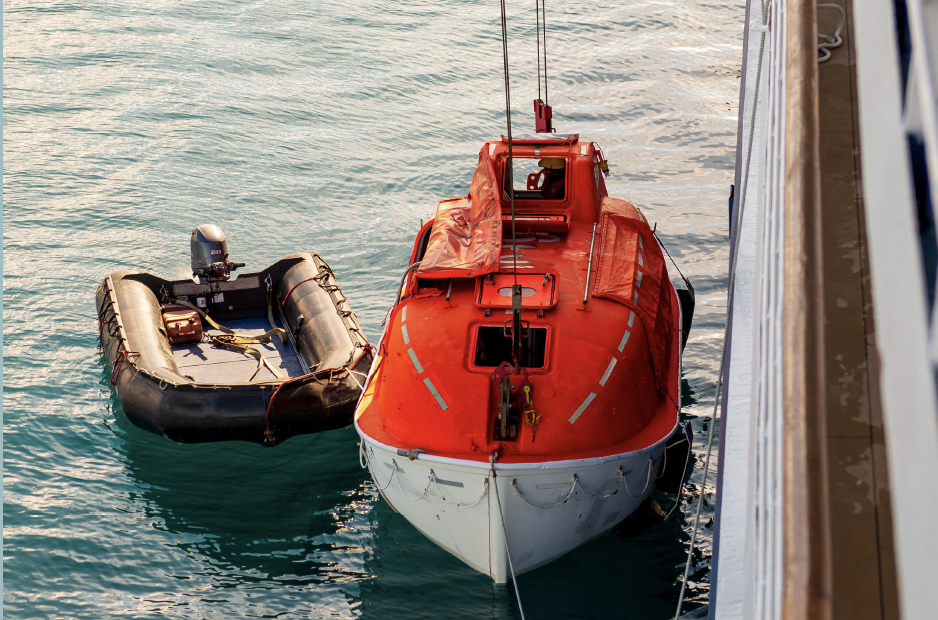
The IMO has revised guidelines regarding arrangements for testing free-fall lifeboat release systems under load. Emphasizing that drills should be treated as learning experiences rather than mere regulatory exercises, the IMO stresses that exercises must be conducted at a safe pace. Lowering a lifeboat with its full complement exposes participants to unnecessary risks and should only be undertaken with strict special precautions.

Advancing Preparedness for Transboundary Oil Spills
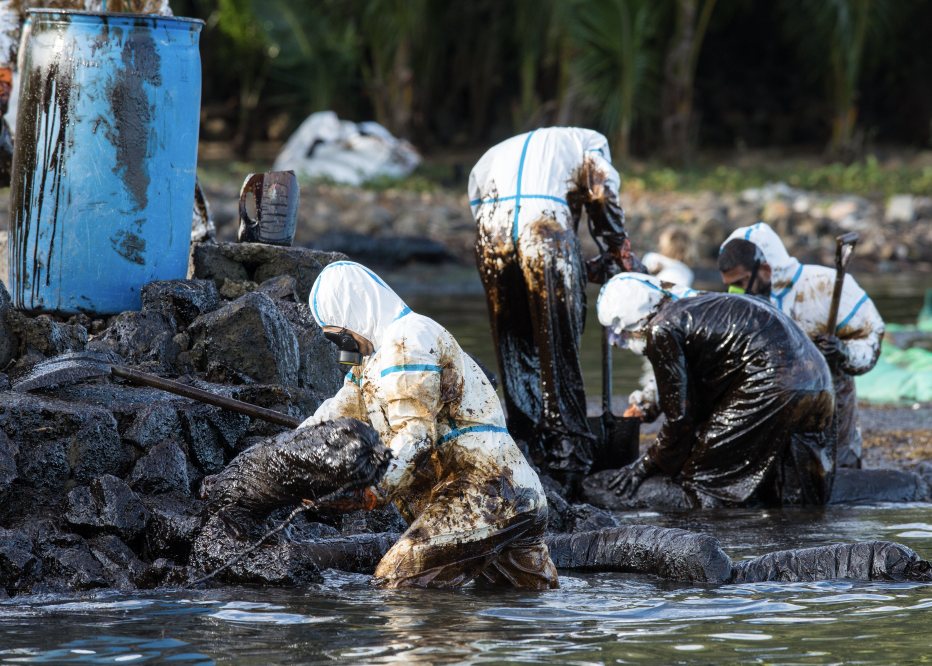
An IMO-supported subregional workshop in Kuala Lumpur, Malaysia, recently gathered government representatives, OSROs, and international experts to enhance collaboration for effective transboundary oil spill responses in South-East Asia. The focus remained heavily on standard operating procedures (SOPs), liability frameworks, and the Regional Oil Spill Contingency Plan (ROSCP).

Kenya Advances Maritime Security Strategy

Under the EU-funded Safe Seas for Africa programme, Kenya is finalizing its National Maritime Security Strategy (NMSS). The strategy addresses emerging challenges such as cyber threats, uncrewed systems, threats to critical underwater infrastructure, and climate change, aiming to protect Kenya's sovereignty and safeguard its Blue Economy.

Safety Lessons Learned:

Our analysis of recent incidents provides critical reminders for every crew member:

Fatigue Contributes to Catastrophe


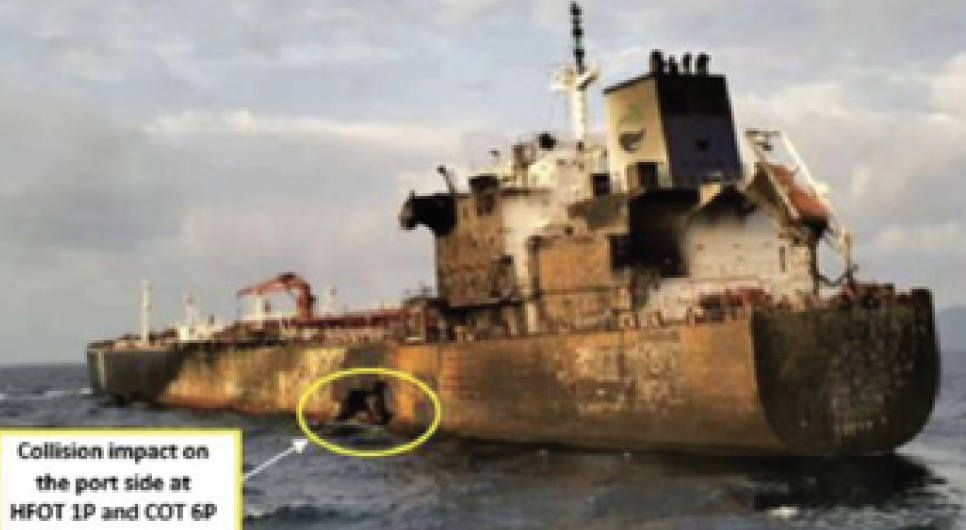
A tragic collision occurred between a tanker underway and an anchored vessel when the Officer of the Watch (OOW) delayed course alterations and repeatedly left the bridge to attend to administrative duties in the chartroom.

Lessons Learned: Attending to any duties except navigation while in charge of a watch is a recipe for disaster. Furthermore, the OOW had only about two hours of rest in a 38.5-hour period prior to the watch. Travel time to join a ship must be counted as time on board for work/rest calculations, and companies must ensure crew receive sufficient restorative sleep.

Pilot Boat Hits Rocks

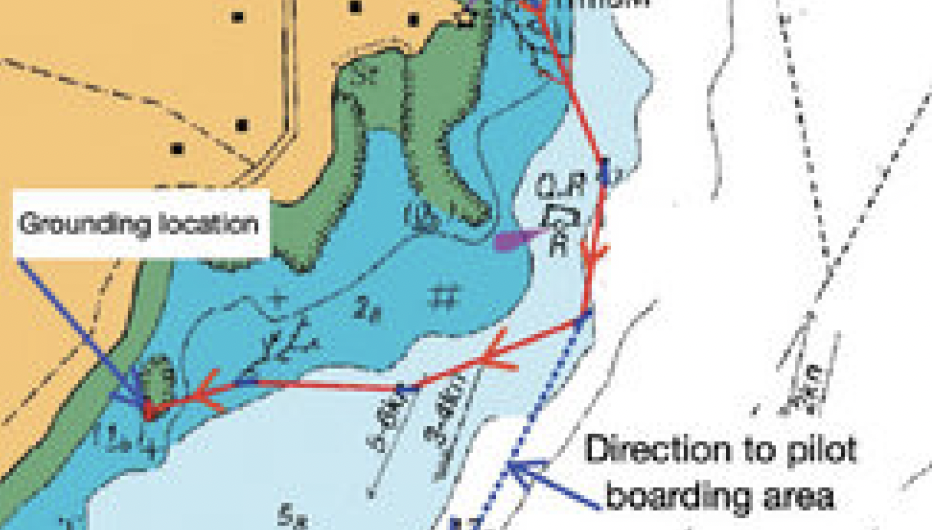
A pilot boat Master ran the vessel aground while navigating at 15-18 knots in restricted visibility (less than 0.5 nm). The Master was steering purely by visual reference, ignoring available electronic navigation instruments.

Lessons Learned: Navigating using exclusively visual means in reduced visibility is highly dangerous. Additionally, vessel speed through the water must always be proportional to the quality of the crew's situational awareness.


Expand Your Knowledge with New Maritime Trainer Courses

At Maritime Trainer, we continue to launch targeted training solutions to bridge the skills gap:
  • Enclosed Space Entry: This course provides practical training on the critical hazards, safety procedures, and emergency response requirements associated with entering enclosed spaces. Participants learn how to recognize atmospheric hazards, complete pre-entry preparations, and carry out correct atmosphere testing.

  • Ship to Ship (STS) Operation for Bulk Carriers: An overview of the general principles, operational controls, and safety requirements associated with STS operations involving bulk carriers. The course covers fendering, communication, cargo transfer preparations, and emergency breakaway procedures in line with RightShip expectations.