
SIRE 2.0 Analysis: Facing the 37% Human Factor Challenge
Feb 18
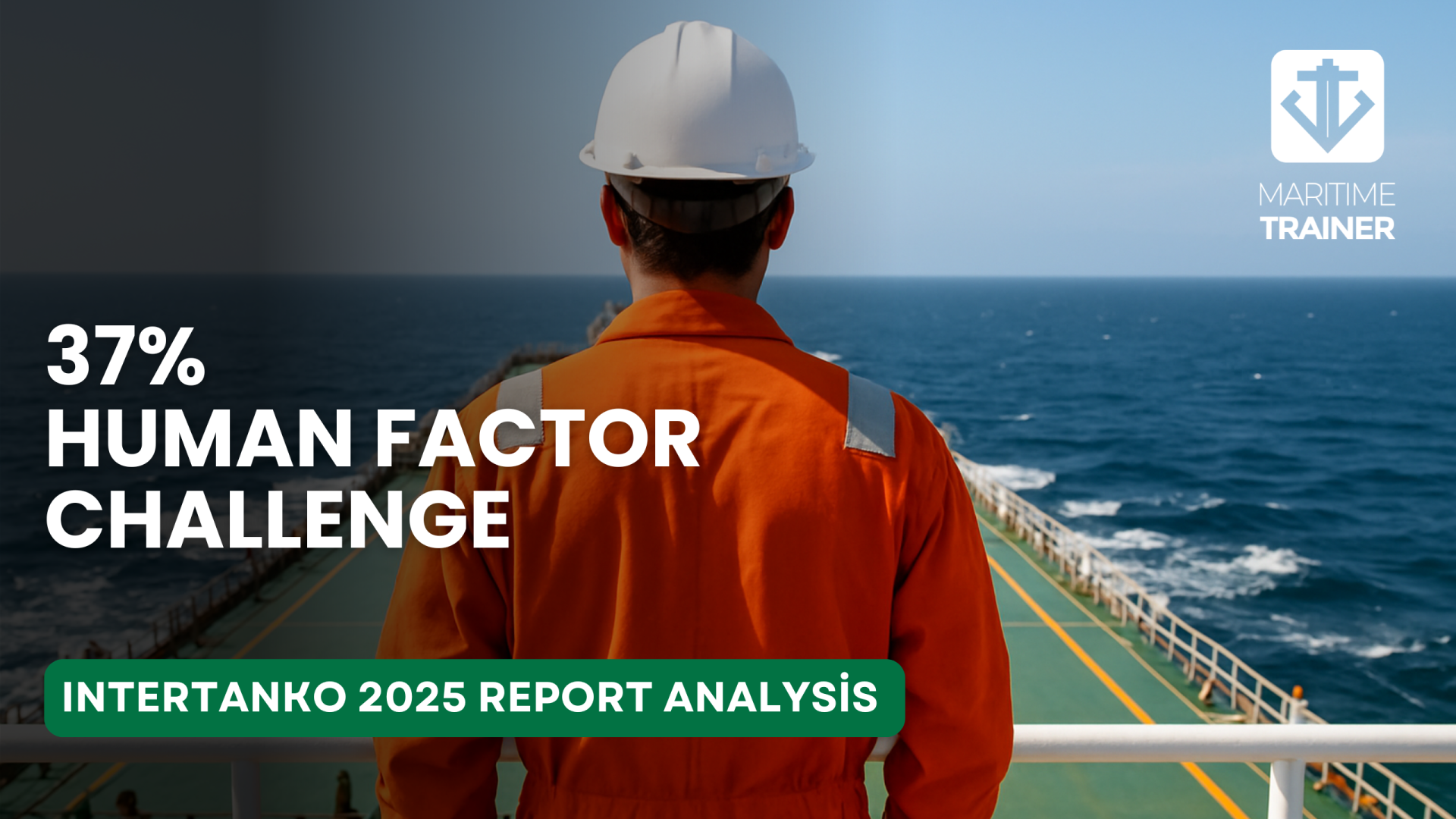
As the maritime industry fully adapts to the SIRE 2.0 framework, data-driven insights are becoming the new compass for operational excellence. The 2025 INTERTANKO SIRE 2.0 Benchmarking Report, covering 7,241 inspections, reveals a critical truth: technical compliance is no longer the primary hurdle. The real challenge lies in the Human Factor, which now accounts for 37% of all negative observations.
Negative Observation Categories
Human Factor
Process Related
Equipment/
Hardware
Hardware
Photos Accounting
The Reality in Numbers: A Year of Evolution
The 2025 data shows a significant maturing of the industry under this new inspection standard. While the average number of negative observations per inspection improved from 6.33 in late 2024 to 5.24 in 2025, the focus has shifted from paperwork to people.
-
Safety Management (Chapter 5) remains the most scrutinized area, accounting for 37.8% of all negative observations
-
Within this critical chapter, a staggering 44.9% of errors are human-related, proving that even the best safety systems fail if the personnel are not effectively engaged.
-
The industry has also seen a significant increase in positive observations, rising from an average of 0.27 in 2024 to 0.88 in 2025.
Why Procedures Fail: Habits vs. Standards
The report identifies specific Performance Influencing Factors (PIFs) that explain why errors occur even on well-managed vessels:
Custom & Practice (32.9%):
A major portion of errors stem from personnel following "the way we’ve always done it" rather than established company procedures.
Recognition of Criticality (30.3%):
Nearly a third of negative observations happen because crew members fail to recognize the safety criticality of a specific task
Learning Barriers (12.1%):
A lack of opportunity to learn or practice contributes significantly to performance gaps.
Resource: INTERTANKO SIRE 2.0 Benchmarking Statistics. (1 January to 31 December 2025)
Beyond "Box-Ticking": The Maritime Trainer Solution
At Maritime Trainer, we recognize that these statistics aren't just numbers—onboard, they represent potential risks. Our ASSESS TRAIN RETAIN ecosystem is designed to break the cycle of ineffective bureaucracy and transform compliance into genuine readiness:
— assess
Identify the "Why" Behind Human Performance
With 37% of negative observations driven by human factors, standard quizzes are no longer enough. We utilize Psychometric, Aptitude, Competency, and Maritime English testing, powered by vision analytics for proctoring and voice recognition for pronunciation evaluation. Analytics and competency mapping are also provided to pinpoint behavioral risks before they reach the deck.
— TRAIN
Beyond Paperwork: Immersive Readiness
We use storytelling, case studies, interactivity, 2D/3D visuals, real life accidents to change the behaviour of crew members by giving them the necessary skill sets and attitude through innovative learning tools. Our Digital Twin technology and VR-based serious games also give an immersive opportunity by providing a risk-free environment where crew can master safety-critical tasks through experience, addressing the 12.1% gap in "opportunity to learn.
— RETAIN
Sustaining Excellence Through
Maritime Trainer
Procedures fail when "custom and practice" take over, leading to 32.9% of errors. We bridge this gap by combining BOCAV with MTCare and Mentoring to ensure safety-critical habits are verified, nurtured, and ingrained for the long term, supported by necessary behaviours and skills. We support you to spot the gaps and act proactively with the help of our BI tool (MTData) that provides you insights, and enable you to make data-driven decisions.
Empty space, drag to resize
Join Our Newsletter
Subscribe to get our monthly health and safety bulletin free.

Innovative digital learning technology and services provider
Partnership
Become A Partner
Approved & Certified by Bureau Veritas
Flag
approved
We are proud to be member of




Write your awesome label here.