The 113th session of the IMO Legal Committee approved new guidelines to combat fraudulent ship flags and strengthen registration procedures. Flag States are now required to verify beneficial ownership, confirm deletion from previous registries, and cross-check entities against UN and national sanctions lists. Identity verification must include cross-checking IMO numbers against independent databases and implementing digital security features in certificates for real-time authentication.
With recent ratifications from Belgium, Germany, the Netherlands, and Sweden, the 2010 HNS Convention is nearing its entry-into-force threshold. This "polluter pays" regime establishes a two-tier compensation model capped at 250 million SDR per incident to cover damages from hazardous materials, including fire and loss of life. All contracting parties must submit their HNS contributing cargo data by 31 May 2026 to determine if the treaty will take effect in late 2027.
A new global study by the IMO, WMU, and IRENA is assessing the infrastructure required for the large-scale uptake of renewable fuels. The project identifies priority actions for fuel supply chains and port infrastructure, such as shore power and bunkering facilities, to meet the goal of net-zero GHG emissions by or around 2050. Final reports are expected in the third quarter of 2026 to guide national policy and maritime investment.
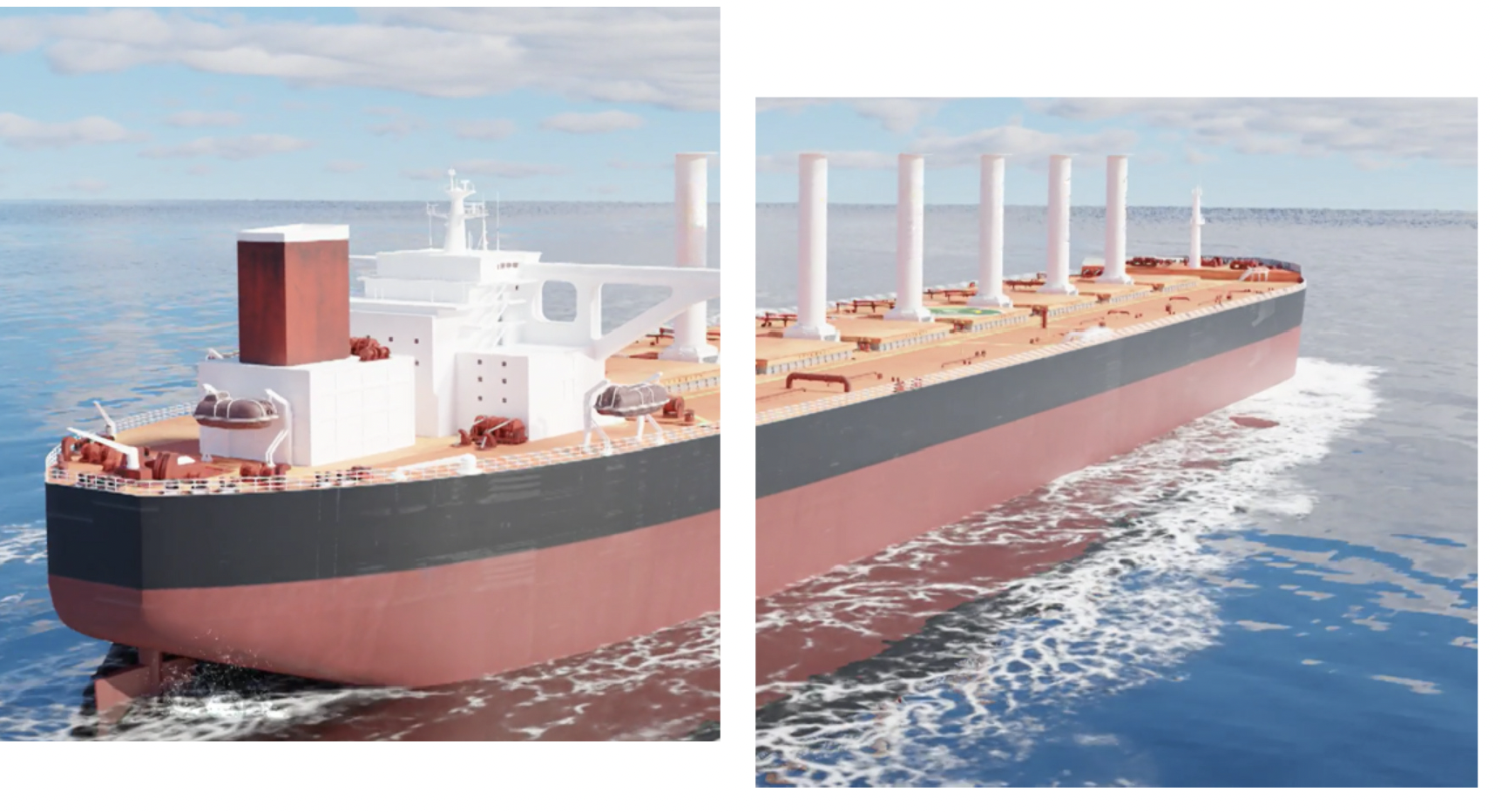
As wind-assist technology adoption grows, the industry faces the "Charter Party Challenge" regarding who reaps the benefits of fuel savings. While owners invest capital, charterers typically benefit from lower fuel consumption, leading to a need for standardized agreements. BIMCO is currently developing an Energy Saving Device Retrofit Addendum to facilitate equitable charter agreements and encourage faster technology uptake.
Normal text.
A technology pilot launched in Mexico is demonstrating how AI-driven performance management can enhance operational efficiency and reduce emissions. This system integrates real-time fuel monitoring and performance analytics to support decision-making onboard. Part of the GMN Phase II project, the pilot aims to generate practical lessons for scaling digital decarbonization tools in developing countries.
Rising temperatures and humidity are now active operational risks, causing "cargo sweat" and damaging hygroscopic materials like polyamide. Investigations show that solar radiation can drive internal container temperatures to 50°C, even in 30°C ambient heat, leading to chemical degradation of sensitive goods. Operators must prioritize moisture control, specialized packaging, and proactive weather routing to mitigate these escalating climate-driven losses.
Quitting smoking is a critical step for seafarers to improve lung capacity, physical stamina, and overall safety. Beyond personal health, a smoke-free environment reduces fire hazards in high-risk vessel areas often carrying flammable materials. Practical strategies for success include setting a quit day, managing cravings through onboard hobbies, and removing triggers like lighters and ashtrays from the cabin.
Our analysis of recent incidents provides critical reminders for every crew member:
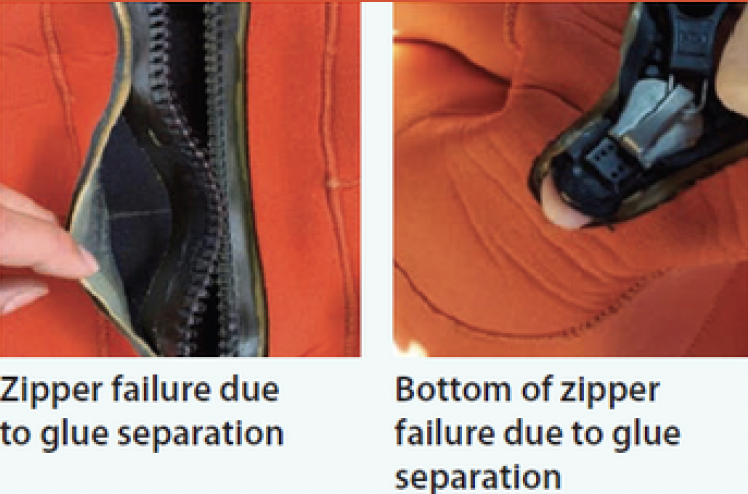
Safety inspectors frequently find immersion suit defects caused by adhesive failures between the zipper and the suit body. Neglecting periodic pressure testing and using non-approved lubricants can compromise watertight integrity, posing serious survival risks. Maintenance procedures must follow manufacturer directions, and air pressure leak tests should be conducted at least every three years.

Recent incidents highlight the extreme danger of "jury-rigging" tools, such as removing grinder guards to fit larger discs. Using damaged wheels or incompatible speeds often leads to shattered discs, resulting in severe injuries and crew repatriation. Lessons learned emphasize mandatory PPE, pre-use inspections for cracks, and never putting a grinder down until the disc has completely stopped.
At Maritime Trainer, we continue to launch targeted training solutions to bridge the skills gap:
-
Enclosed (Confined) Space: This training module provides a focused analysis of
the high-risk nature of enclosed space entry on
board, with particular attention to the human and
operational factors that can weaken safety
compliance.
-
Company Security Officer (CSO): This course provides a strong foundaon for
personnel designated as Company Security
Officers (CSO) under SOLAS Chapter XI-2 and the
ISPS Code.
-
Marine Superintendent: This course provides a comprehensive foundation for the role of a Marine Superintendent, bridging the gap between sea-based technical expertise and shore-based management.
-
Protect Your Back: This course highlights the risks of cumulative back injuries in the maritime industry.
Empty space, drag to resize