Nov 4 / Maritime Trainer

November 2026 Maritime Review: Electric Ferries, Alternative Fuels & IMO’s Remote Inspection Framework

As we move into November 2026, the maritime industry is balancing the urgency of decarbonisation with the realities of cost, capability and compliance. From ferry electrification and the true uptake of alternative fuels to stronger regulatory oversight and new survey technologies, staying ahead of these changes is essential for safe, efficient and future-ready operations. In this month’s review, we bring you the key developments from across the industry, a remarkable discovery from maritime history, and essential safety lessons learned from recent incidents on board.
Electric and Hybrid Ferries Could Cut Emissions by 63% in the Sea of Marmara

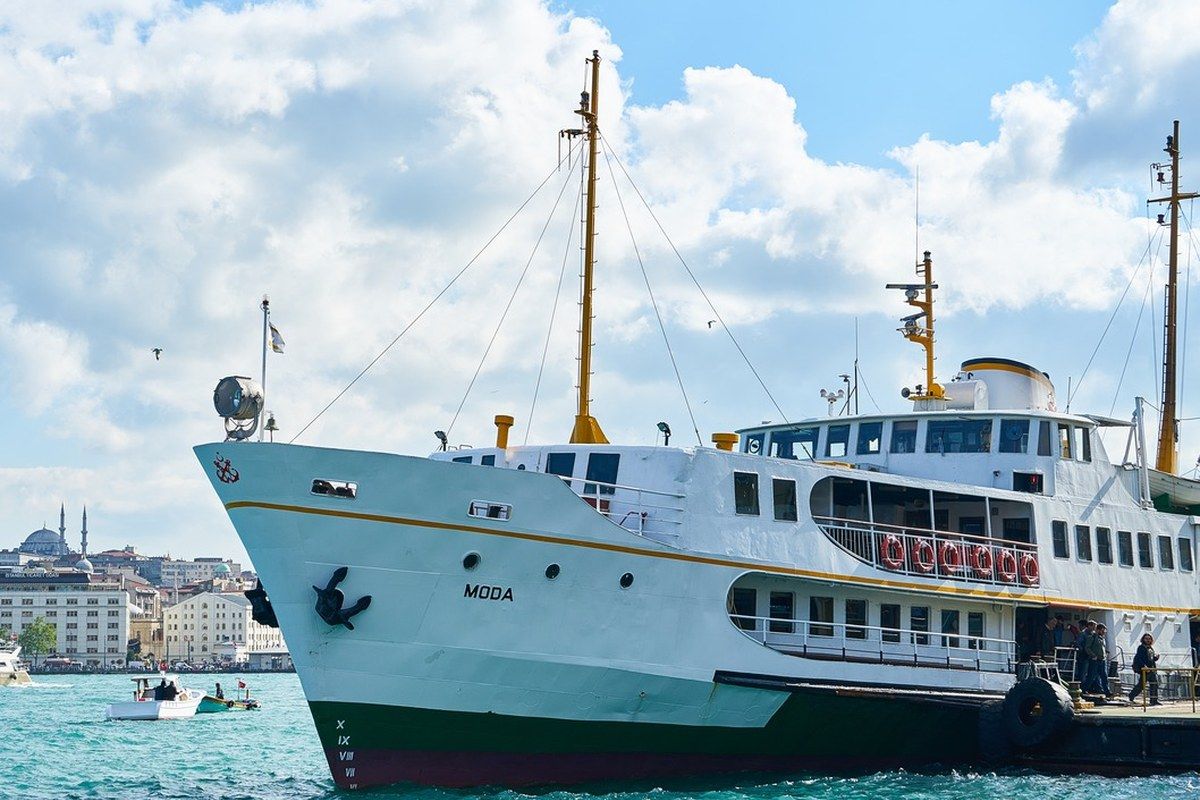
A new study supported by IMO’s GreenVoyage2050 programme found that switching the Sea of Marmara’s 67 Ro-Ro and Ro-Pax ferries to a mix of hybrid and fully electric vessels could cut GHG emissions by 63% by 2050, avoid an estimated €492 million in health and environmental costs and support around 1,100 jobs a year. No major technical barriers were identified; the main challenges are charging infrastructure, upfront investment and coordinated energy planning, with a first pilot project now being considered.

Strengthening Flag State Oversight in Asia

At an IMO regional workshop in Brunei Darussalam, maritime officials from eight Asian countries strengthened their capacity to oversee recognized organizations under the RO Code. Participants reviewed recurring IMSAS findings and explored good practices such as written agreements, reporting requirements and performance monitoring, helping turn IMO requirements into effective national action.

Alternative Fuels: Capability Doesn’t Equal Consumption

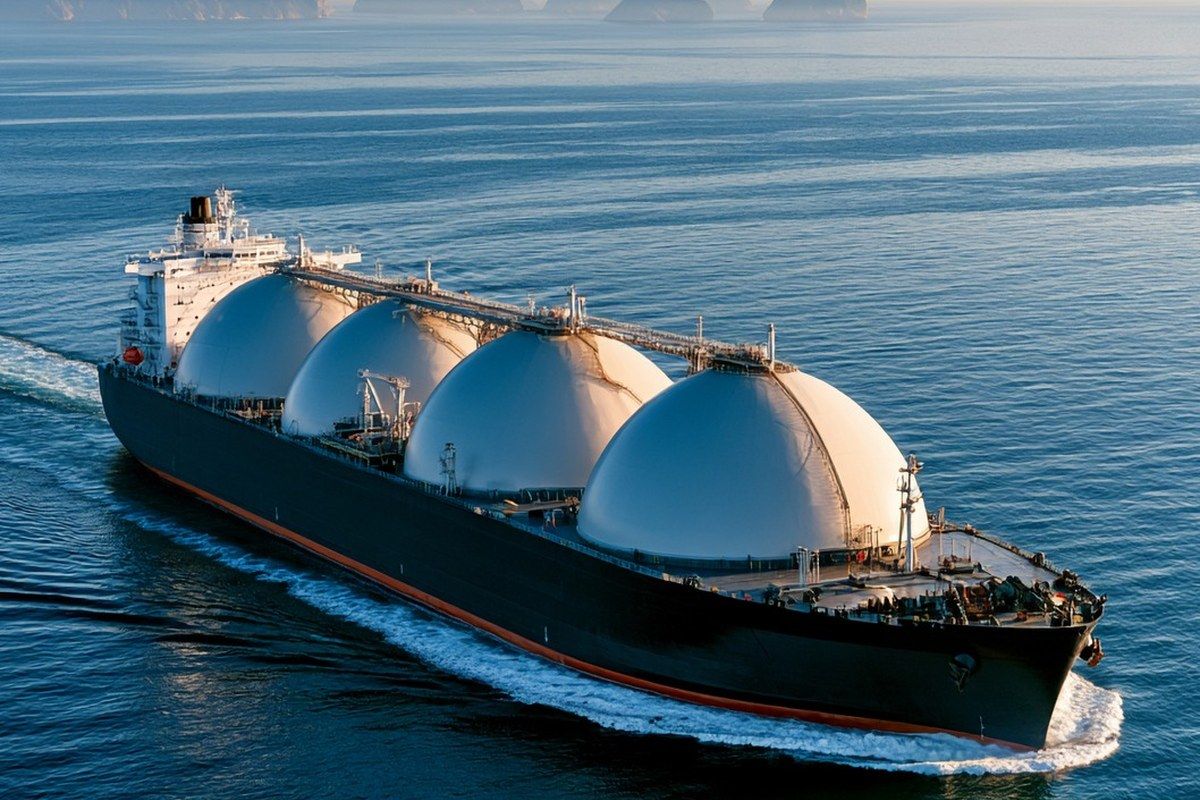
Speakers at SIBCON 2026 highlighted a clear gap between fleet capability and actual fuel demand: 5.48% of the global fleet by tonnage can use alternative fuels, yet LNG made up just 1.15% of fuel sold in Singapore in the first nine months of 2026. As long as conventional fuels remain cheaper, economics will drive decisions, although biofuel blends are gaining ground with no reported operational issues.

4,700-Year-Old Shipwreck Discovered off the Turkish Coast

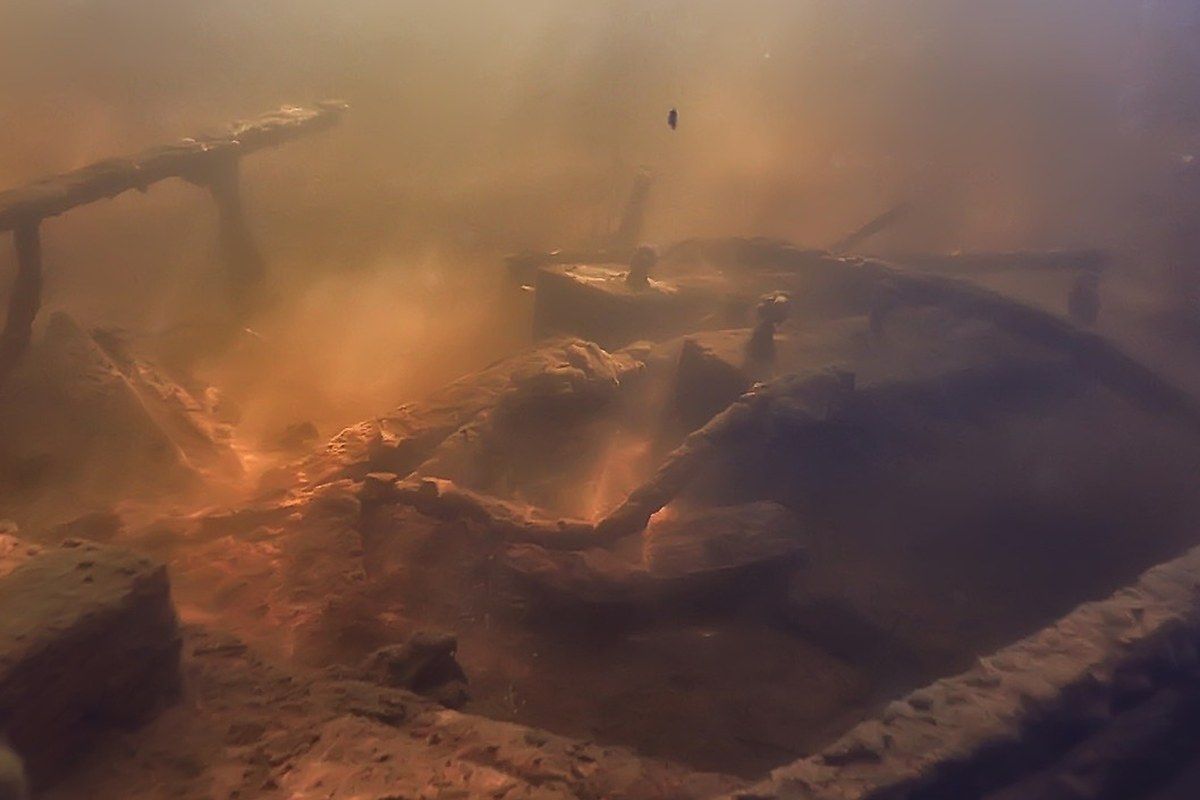
Underwater archaeologists from Akdeniz University have recovered Early Bronze Age pottery from a wreck near Kekova Island, potentially one of the world’s oldest known shipwrecks. Dating to around 2700–2400 BCE, the finds point to established trade routes between the Levant, Anatolia, the Aegean and Egypt, and include a vessel that may have been used to make butter or cheese on board.

European Coast Guards Test Joint Response to Multiple Maritime Emergencies

On 6 October, EMSA joined Italian authorities, EU agencies and units from Malta, Portugal and Spain for COASTEX 2026 off Catania. A single evolving scenario tested fisheries control, search and rescue, pollution response and maritime security, showing how coast guard functions work together when one incident at sea becomes several.

IMO Adopts New Framework for Remote Inspections of Bulk Carriers and  Oil Tankers

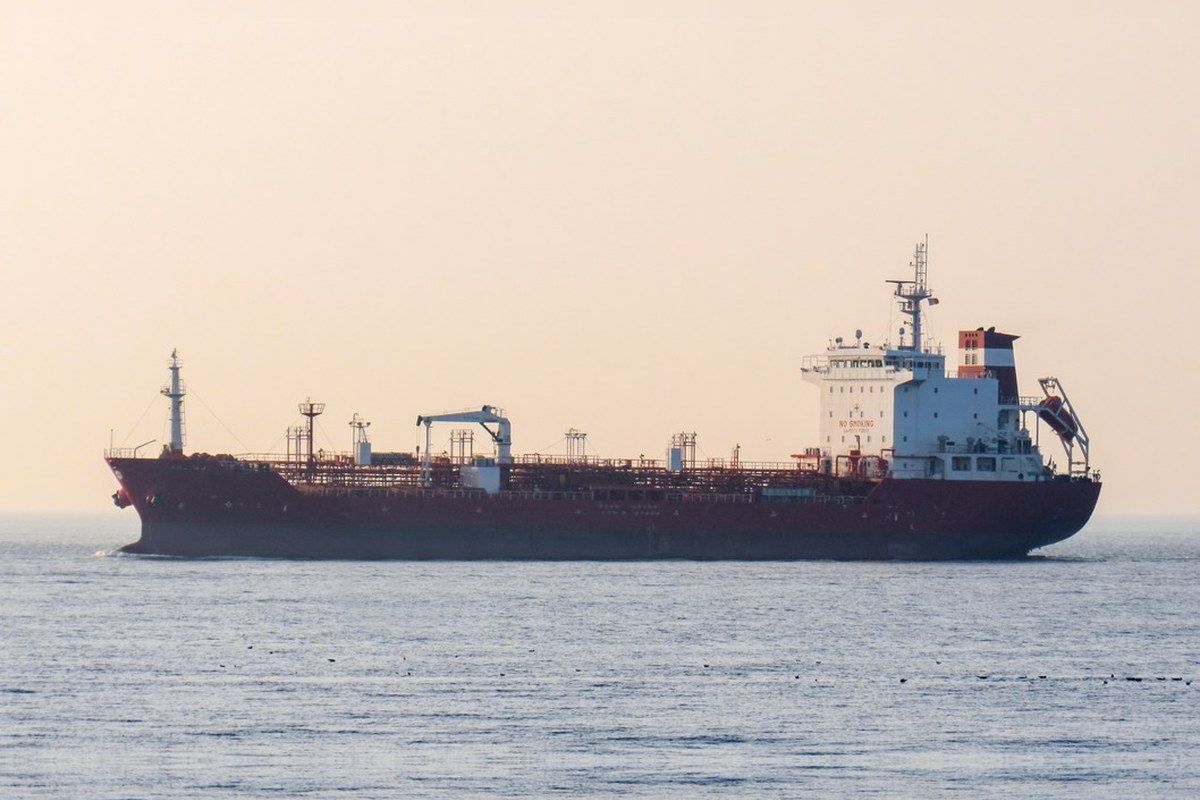
Amendments to the 2011 ESP Code (MSC.584(111)) and new guidelines in MSC.1/Circ.1700 set standardized requirements for using Remote Inspection Techniques during close-up surveys and thickness measurements. Applying to ESP surveys from 1 January 2028, the framework requires certified systems with a Statement of Capability, so shipowners, RIT firms and surveyors should start preparing now.

BMA Warns of Deadly Consequences of Food Allergy Errors at Sea

Following a fatal allergic reaction on board a Bahamas-flagged passenger vessel, the Bahamas Maritime Authority has issued a safety alert on food allergies. If anaphylaxis is suspected, adrenaline is the first-line treatment and must not be delayed, and operators are encouraged to review allergen controls, emergency procedures and crew training, including allergy scenarios in onboard drills.

Safety Lessons Learned:

Our analysis of recent incidents provides critical reminders for every crew member:

Twisted Ship


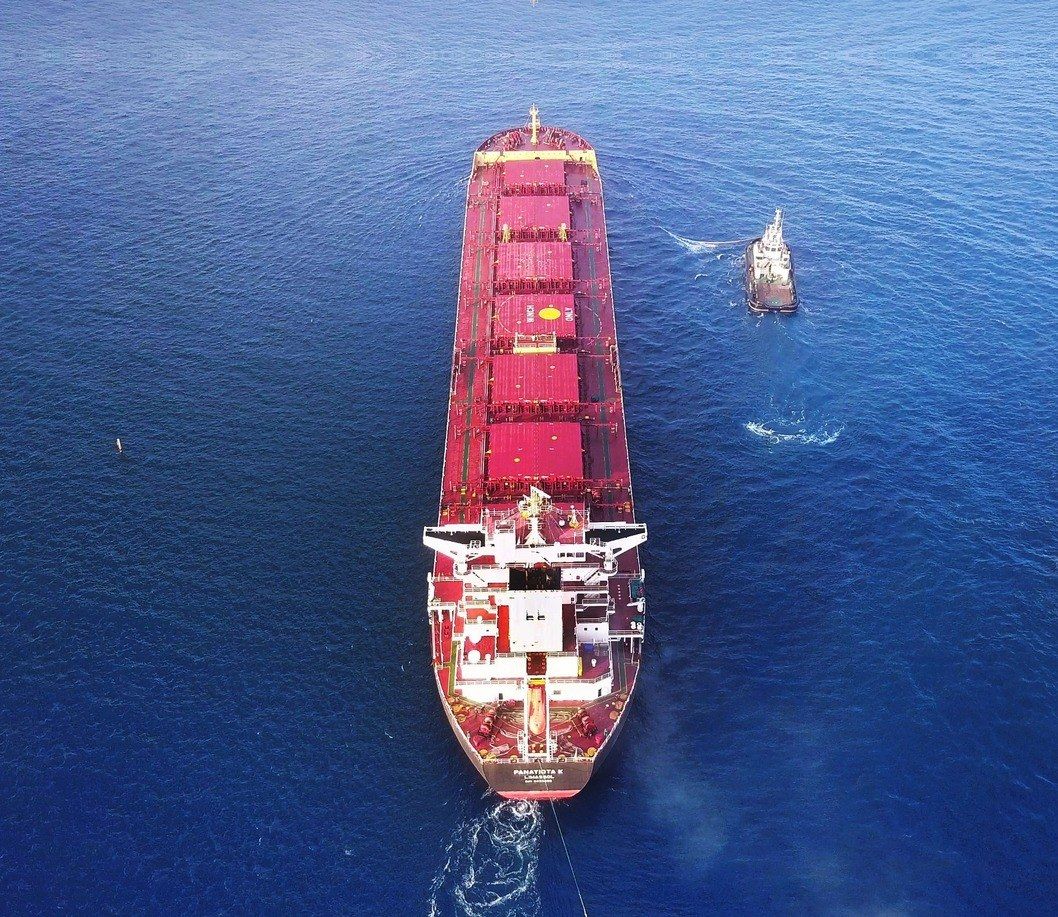
After loading iron ore, a panamax bulk carrier could not close three hatch covers because a slightly uneven cargo stow had twisted the hull; levelling the cargo corrected the torsion.

Lessons Learned:
even small imbalances in heavy cargo can twist a vessel, so loading plans should keep cargo evenly distributed and allow hatch covers to be closed at any time.


Stop Work Authority Not Started

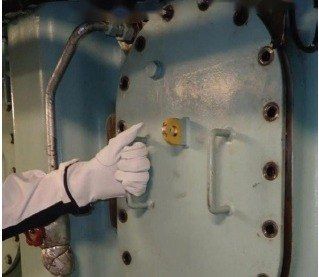
An engine crew member who refused help while closing a 28.5 kg inspection cover alone suffered a hand injury when it slipped.


Lessons Learned:

heavy covers should always be handled by two persons, risk assessments and toolbox talks must address the hazard, and every crew member should use Stop Work Authority when unsafe actions are observed.

Expand Your Knowledge with New Maritime Trainer Courses

At Maritime Trainer, we continue to launch targeted training solutions to bridge the skills gap:
  • Green Fuel Management: Essential knowledge and practical insights into biofuel use in maritime operations, covering biofuel types, regulatory requirements, environmental impacts, safety protocols and IMO’s emission reduction strategies.
  • Understanding Meteorology: Essential weather phenomena for safe navigation, including wind and wave dynamics, pressure systems, storm patterns and the Beaufort Wind Scale, to build confidence in weather assessment and decision-making. 
  • Galley Hygiene: Critical aspects of shipboard food preparation, from personal hygiene to proper storage, food handling, waste management and regulatory compliance — essential for all galley staff. 
  • Gas Tanker Operations – Basic: A solid foundation in the properties of liquefied gases, hazard awareness, cargo management, safety regulations and emergency response protocols on liquefied gas tankers.