Exploring the 'Rule of the Road' Online Course: A Maritime Trainer and Ocean Wise Initiative
Introduction
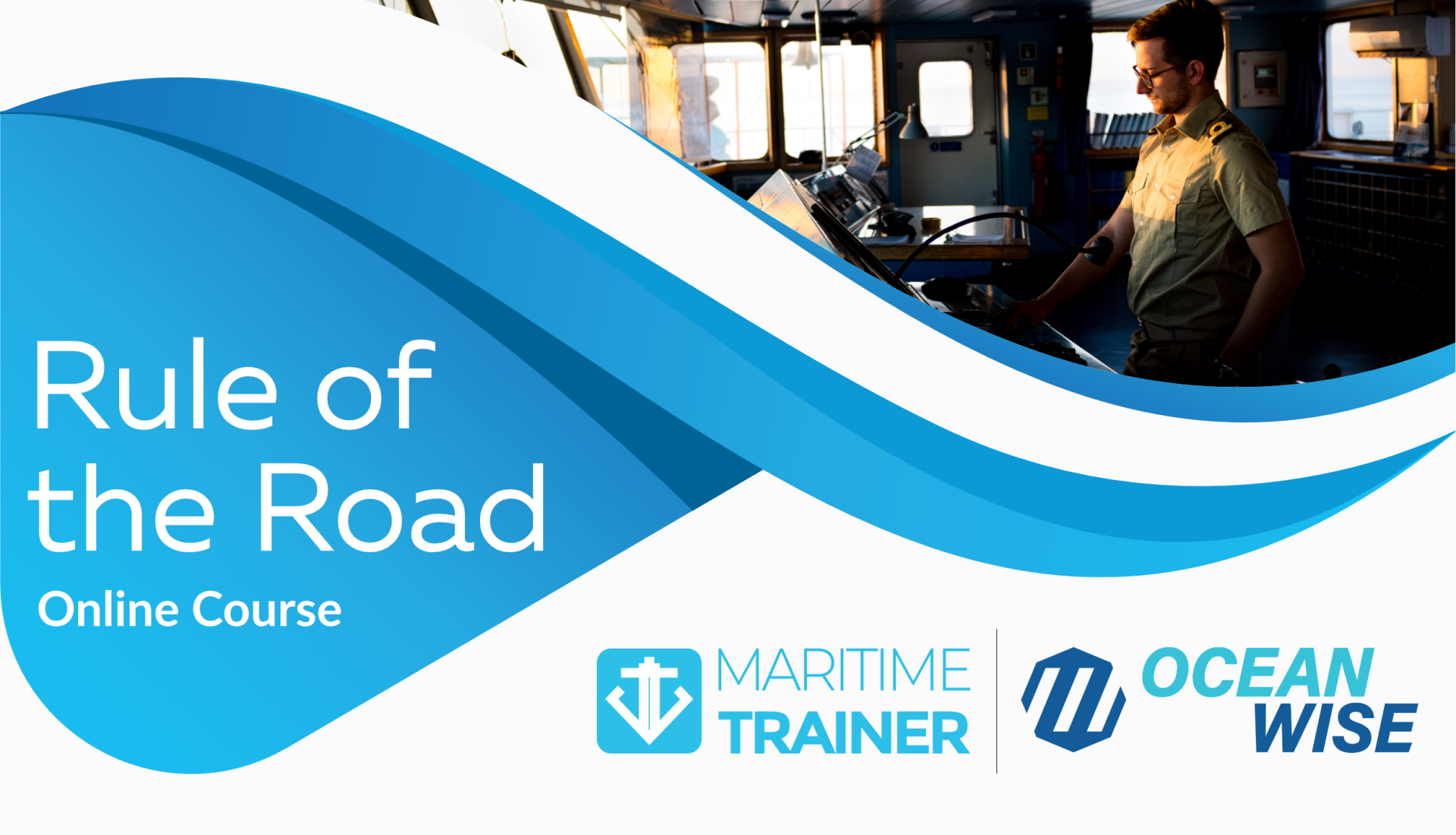
Welcome to an exciting journey in maritime mastery! The "Rule of the Road" course, a collaborative effort between Maritime Trainer and Ocean Wise, is designed to significantly elevate the skills and knowledge of maritime professionals. This course stands out as a beacon for those navigating the complex waters of maritime rules and regulations, offering a unique blend of theoretical knowledge and practical application. Our blog post will take a deeper dive into the various facets of this transformative course, exploring its aims, content, target group, structure, and how it aligns with industry standards. Join us as we embark on this enlightening voyage!
Aim of the Course
Interpreting Complex Rules: It aims to provide a deep understanding of the most complex maritime rules, enabling participants to justify actions based on these regulations.
- Practical Applications: The course goes beyond theory, focusing on the real-world application of maritime rules.
- Exam Techniques: It equips learners with effective strategies for answering questions in competency exams.
- Refreshing Basics: Participants will revisit foundational concepts in Buoyage and Radar plotting.
- Learning from Navigational Accidents: The course includes case studies, particularly from the MAIB, to learn from past navigational incidents and avoid future mistakes.
This blend of theoretical knowledge and practical insights ensures that participants leave the course with a comprehensive understanding of maritime navigation.
Content Overview
- MAIB Case Studies: These real-world examples help in understanding the consequences of incorrect rule application and offer lessons on how to prevent navigational accidents.
- COLREG Rules in Depth: A thorough exploration of all the COLREG Rules, providing a deep understanding of each.
- Radar Plotting Refresher: Revisiting the basics of radar plotting to enhance navigational accuracy.
- Light and Shape Identification: Essential skills for maritime professionals, focusing on the identification of various lights and shapes encountered at sea.
- Buoyage: Detailed insights into buoyage systems and their importance in maritime navigation.
- Exam Techniques: Strategies and methodologies for effectively answering COLREG questions in competency exams.
- Assessment Methods: Evaluating participant understanding and application of the course material.
Target Group
- Junior Deck Officers and Cadets: Ideal for those nearing the completion of their sea time or who have cleared their first Certificate of Competency (CoC) exams.
- Chief Officers: Providing advanced insights and refreshers that are crucial for higher-level maritime roles.
- Masters: Occasionally included to bring a wealth of experience to the learning environment.
- Nationality and Vessel Type: The course is inclusive, welcoming candidates of any nationality and from any type of ship.
This targeted approach ensures that the course content is relevant, engaging, and beneficial for participants at different stages of their maritime careers.
Structure & Duration
- Duration and Schedule: The course spans over three days, with each day consisting of four hours of teaching. This compact yet intensive format ensures a thorough coverage of topics without overwhelming the participants.
- Class Size and Format: The course maintains a balance between personal attention and collaborative learning, accommodating a minimum of 5 and a maximum of 15 participants in a virtual classroom setting.
This structure fosters an environment conducive to learning, enabling participants to absorb and engage with the course material effectively.
Type of the Course
- Online Delivery: The course is conducted entirely online, utilizing Zoom as the platform for instruction. This digital approach makes the course accessible to a wider audience, regardless of their geographic location.
- Interactive and Engaging: Despite being an online course, it is structured to be as interactive and engaging as a traditional classroom setting, ensuring an effective learning experience.
This format caters to the evolving needs of maritime professionals in a digital age, providing flexibility and convenience.
Industry Requirements
- TMSA Element 5 - Section 5.4.2: The course addresses the guidelines and expectations set out in the Tanker Management and Self Assessment (TMSA) program, particularly in the area of navigation.
- RISQ 3.1: It is designed to meet the Risk Management requirements as per RISQ standards, emphasizing the importance of understanding and applying navigational rules to minimize risks at sea.
- STCW Table II/1 and II/2: The course content is aligned with the standards of training, certification, and watchkeeping for seafarers, ensuring comprehensive training in line with international requirements.
Conclusion

Approved & Certified by Bureau Veritas
Flag
approved
We are proud to be member of