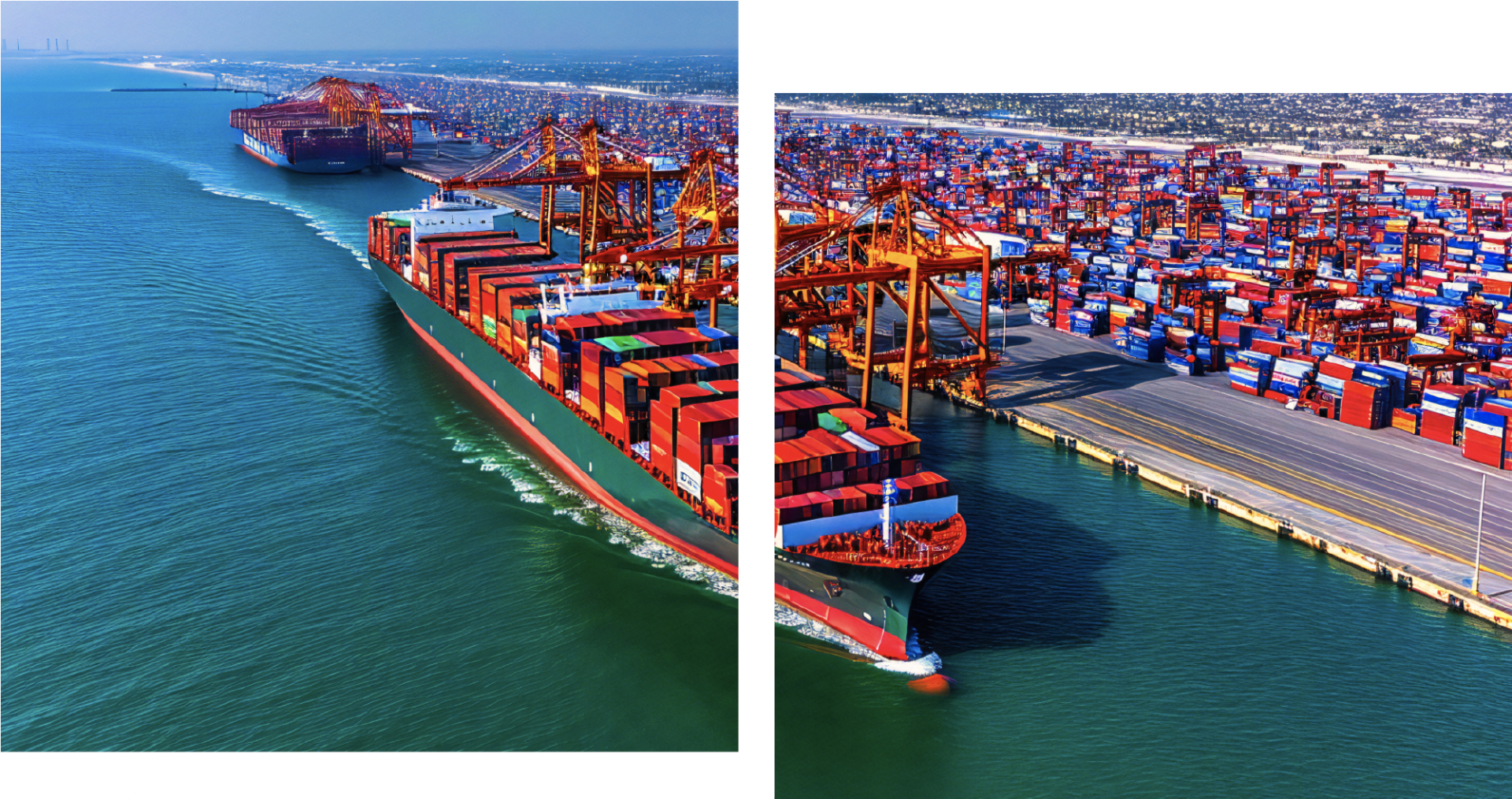
The rapid surge in the maritime transport of lithium-ion cells and batteries has brought severe fire hazards to the forefront of shipping risks. In response, the Cargo Incident Notification System (CINS), in collaboration with the International Group of P&I Clubs, TT Club, and IUMI, has released comprehensive new safety guidance for shipping these dangerous goods in Cargo Transport Units (CTUs).
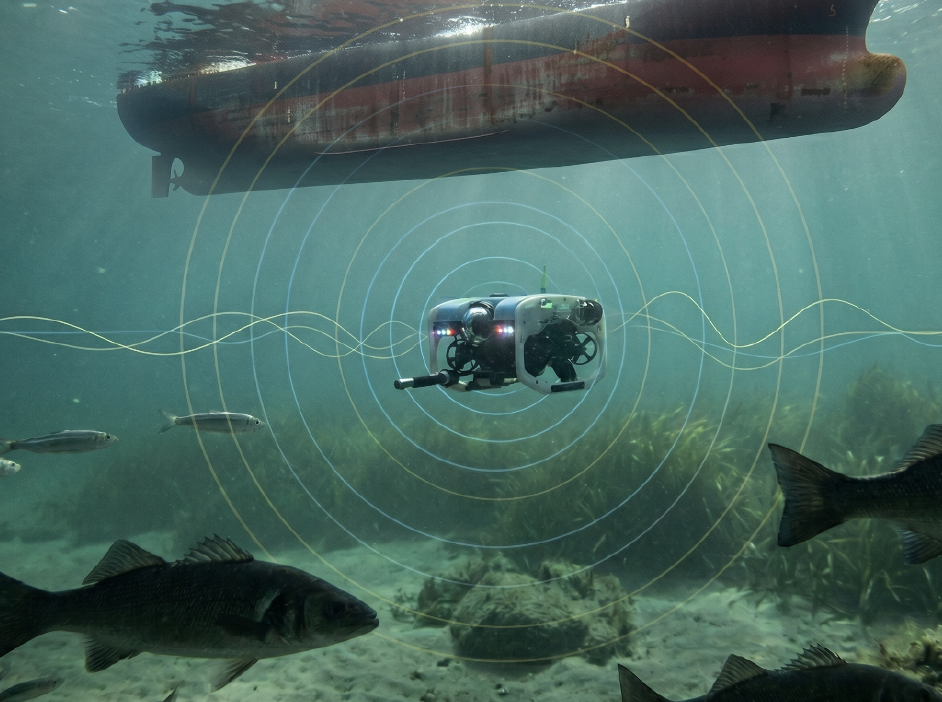
Shipping remains one of the primary drivers of underwater radiated noise (URN), which severely disrupts marine biodiversity. Throughout March and April 2026, the GEF-UNDP-IMO GloNoise Partnership successfully rolled out national workshops across Lead Pilot Countries—including South Africa, Chile, and India—to tackle this looming ecological challenge.
Central to these workshops was the deployment of the new URN Toolkit. Designed as a tiered, accessible platform, the toolkit allows maritime stakeholders to conduct evidence-based assessments, map noise hotspots, and implement targeted mitigation measures in alignment with the IMO Revised Guidelines.
While long-term alternative fuels like methanol, hydrogen, and ammonia remain under development, the industry is seeking scalable, near-term transition pathways. Estonia is rapidly emerging as a model for practical implementation in the Baltic Sea region.
Backed by a €25 million green retrofit grant (funded by the EU Emissions Trading System), Estonia is focusing heavily on shore-side electricity (OPS) and vessel modernization. Furthermore, projects like the FinEst Green Corridor between Tallinn and Helsinki demonstrate how smart ports, automated terminal operations, and cross-border public-private collaboration can successfully reduce maritime emissions today.
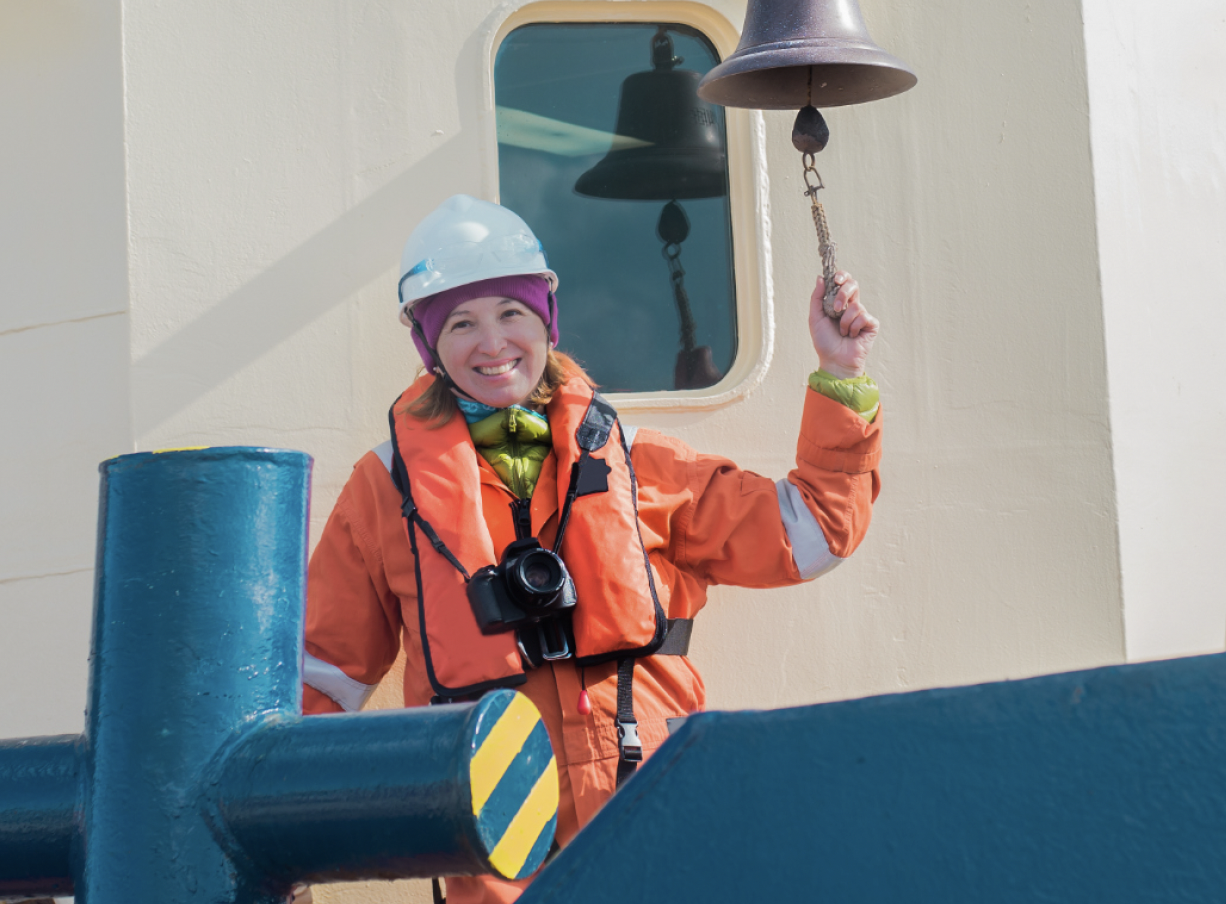
On May 18, the global maritime community observed the International Day for Women in Maritime under the theme "From Policy to Practice: Advancing Gender Equality for Maritime Excellence" . While progress has been made, women remain heavily underrepresented, making up less than 20% of the onshore workforce and less than 2% of seafarers globally .
To bridge this gap and move beyond rhetoric, the IMO hosted a special event at its London headquarters featuring a major milestone: the launch of the Handbook on Gender Mainstreaming by Professor Momoko Kitada of the World Maritime University .
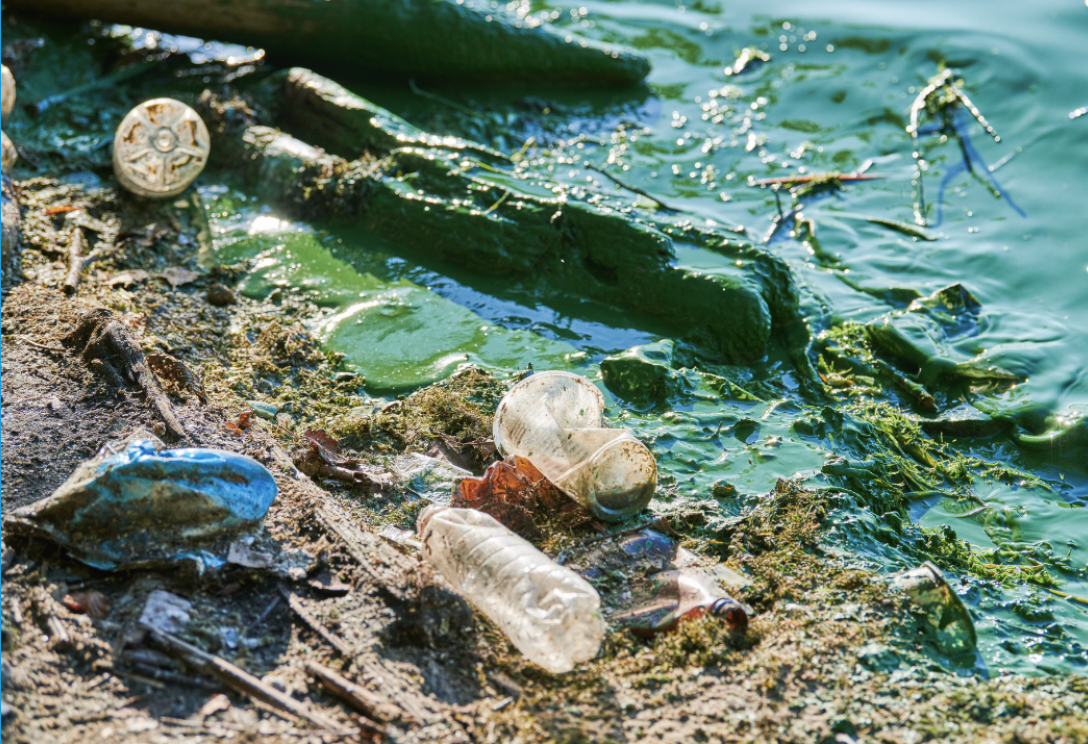
In parallel with global noise reduction efforts, coastal nations are stepping up local enforcement . Indonesia has significantly advanced its strategic plan to curb marine plastic pollution originating from and entering its territorial waters . By strengthening port reception facilities, enhancing waste management compliance across domestic shipping lines, and tightening regulations, the initiative aims to drastically cut down plastic waste that threatens fragile marine ecosystems .
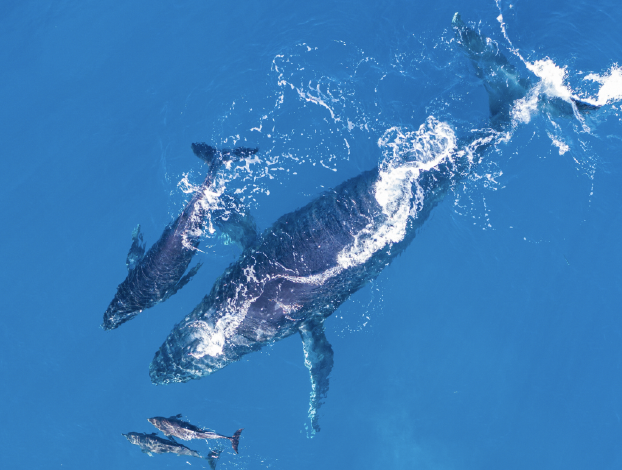
Environmental monitoring has become even more urgent due to the indirect ecological impacts of global conflicts. Findings presented to the International Whaling Commission reveal that the rerouting of commercial vessels around South Africa's Cape of Good Hope since late 2023 has created a dangerous overlap between busy shipping lanes and critical whale habitats.
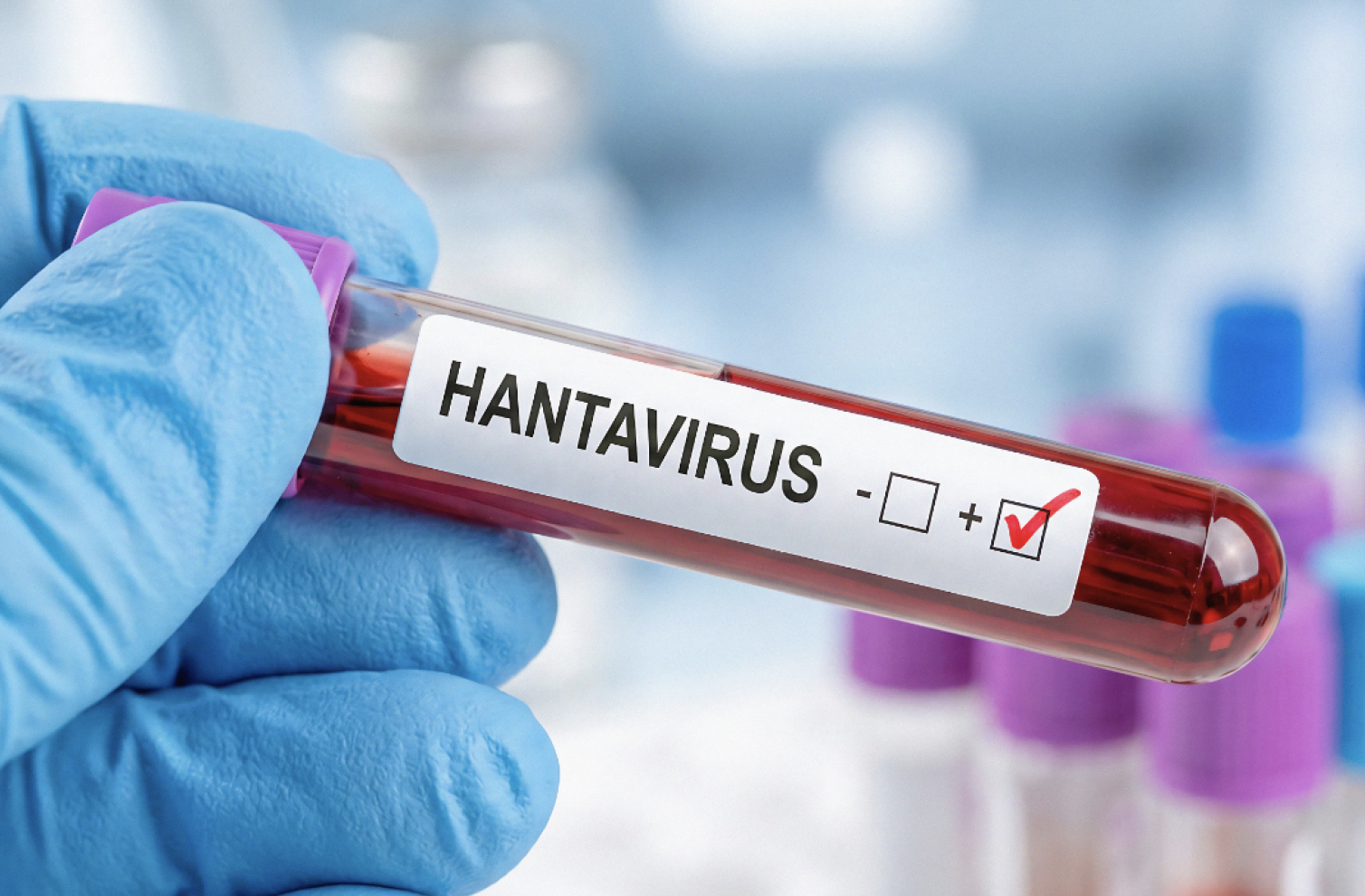
The World Health Organization (WHO) is currently monitoring a severe respiratory outbreak aboard a cruise vessel, which resulted in three tragic fatalities. Confirmed as hantavirus—typically transmitted via contact with infected rodent droppings, urine, or saliva—the incident highlights the critical need for absolute pest control and immediate isolation protocols on international voyages.
Our analysis of recent incidents provides critical reminders for every crew member:

An engine crew member attempting to manually align a small sewage air blower motor with his hands suffered a severely mangled fingertip when his grip loosened and the motor slid down under gravity. Lesson Learned: Never bypass proper mechanical controls based on a component’s small size. Always practice "Take Five" to mentally review hazards before executing any task.
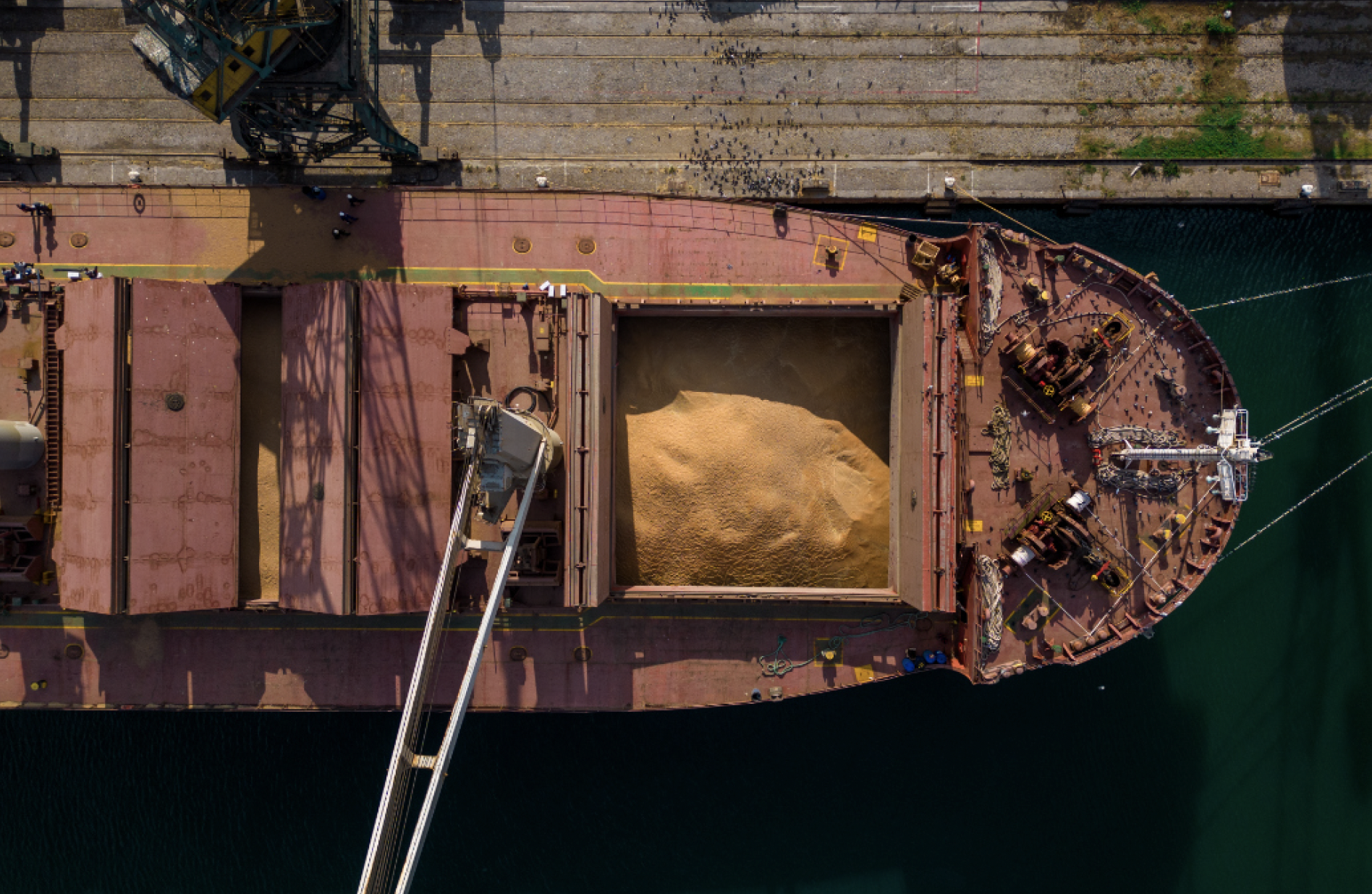
Following an in-transit cargo fumigation with aluminium phosphide pellets on a bulk carrier, a crewman was tragically found deceased in his cabin. De-scaling of the structure later revealed hidden pin holes in the underside of the accommodation deck that overhung the hold, creating a lethal pathway for phosphine gas migration. Lesson Learned: Bulkheads and decks shared between cargo areas and living quarters demand extreme scrutiny, rigorous gas detection training, and proactive maintenance.
At Maritime Trainer, we continue to launch targeted training solutions to bridge the skills gap:
-
Enclosed Spaces: Entry and Gas Measurement (Tanker): Specially tailored for tanker personnel, this course focuses on invisible atmospheric hazards, toxic cargo gases, proper use of specialized measurement equipment, and advanced isolation/permit-to-work protocols.
-
Enclosed Spaces: Entry and Gas Measurement (Non-Tanker): Designed for crews on bulkers, container ships, and general cargo vessels. It highlights oxygen depletion risks caused by rusting or biological activity, carbon dioxide accumulation in cargo holds, void spaces, ballast tanks, and safe entry processes.
-
ECDIS Familiarization (JRC JAN 701B/901B/2000): Optimize bridge operations, route planning, and chart management.
-
Piracy & Armed Robbery at Sea: Train seafarers to recognize early warning signs, apply ship protection measures, and respond decisively during security incidents.
Empty space, drag to resize