The postponement of the IMO’s Net Zero Framework continues to spark intense debate over fuel choices. Liquefied Natural Gas (LNG), despite its emissions reduction potential, faces significant criticism from environmental groups.
Environmental NGOs argue that moderate CO2 emissions savings from burning LNG are likely offset by methane slippage (unburned methane released during combustion). Methane is a potent greenhouse gas with climate impacts over 80 times those of CO2 over a 20-year period5. Consequently, they warn that investments in LNG infrastructure risk becoming stranded assets6.
Industry advocates, such as SEA-LNG, maintain that LNG remains the only practical and realistic future fuel available at scale that reduces both GHG and local air pollution from deep-sea shipping. The pathway from fossil LNG to liquefied biomethane and e-methane is considered the most viable and low-risk option.
While the industry focuses on decarbonisation targets, the impact on seafarers—who are on the frontline of implementation—is often overlooked. A survey by the International Seafarers' Welfare and Assistance Network (ISWAN) brought these concerns to light.
Negative Impacts
The survey found that the negative impacts of decarbonisation include increased workload, stress levels, fatigue, and fears of criminalisation.
Technostress
Crew members feel they are being asked to implement new technologies that have not been adequately tested. One seafarer likened the situation to "being a test pilot on a new aircraft that hasn't flown yet"
Solutions
It is crucial for employers to proactively seek input from the crew , appropriately acknowledge the additional efforts required , and adopt a human-centred approach to new systems.
Two critical regulatory updates relevant to Port State Control (PSC) and safety are approaching:
According to LR, the updated copy of the International Aeronautical and Maritime Search and Rescue (IAMSAR) Manual (Volume III) is required to be carried on board all ships (under SOLAS V/21) starting 1 January 2026.
Hong Kong Convention (HKC)
Aimed at making ship recycling safe and environmentally sound, the HKC entered into force in June 2025. Eight East and Southern African nations (including Kenya, South Africa, and Tanzania) have agreed on action points to support its implementation.
The accident case studies in our bulletin underscore how simple procedural lapses can lead to fatal consequences:
Ro-Ro Fatality
During trailer loading operations, a crew member guiding the load was crushed to death after moving directly behind the reversing trailer. The investigation found that the victim had a significant blood alcohol level.
Fatal Fall into Container Bay
A shore technician fell over 10m into an open cargo hold while attempting to access reefer connection cables.
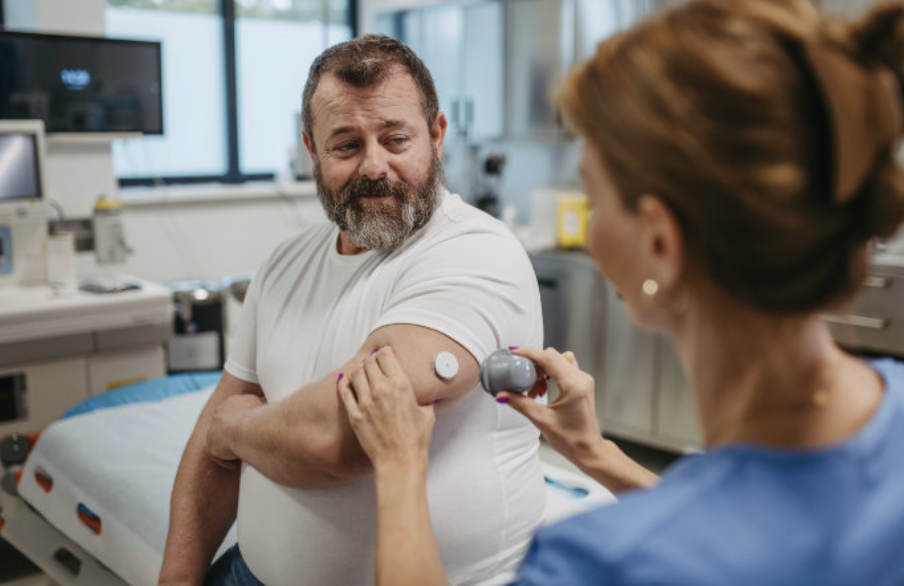
To mark World Diabetes Day, the bulletin emphasized that diabetes can impact people across all life stages. Diabetes is a major public health challenge, with global figures projected to rise to 853 million by 2050.
-
Maritime Challenges: Managing blood sugar, accessing appropriate meals, and taking insulin at the right time is difficult in fast-paced or inflexible workplaces, especially in maritime, offshore, or shift-based environments.
-
Stigma and Discrimination: Two in five employees with diabetes reported negative treatment at work because of their condition, leading nearly a third (32%) to consider leaving their jobs.
-
Safety and Restrictions: Seafarers with insulin-treated diabetes can work at sea but may face restrictions on certain duties due to the risk of hypoglycaemia during long shifts or in isolated conditions.
-
Practical Strategies: Key recommendations include planning blood glucose checks around shifts, communicating the condition to a trusted colleague, taking structured breaks, and educating the team about low blood sugar (hypo). Importantly, checking blood sugar or injecting insulin are acts of self-care and should never cause shame.
Stay compliant and ready for the future by exploring our latest specialized courses, designed to enhance crew competency in critical areas
Empty space, drag to resize